
Choosing Intercooler Boots for Your LBZ or LMM Duramax
 .
.
Table Of Contents
A new hiss when you accelerate, a connection that keeps slipping or a truck that feels weaker under load can send you looking for intercooler boots. Before you order a set, it’s worth finding out what has changed under the hood.
The boots join sections of the charge-air system, keeping pressurized air contained as it travels from the turbo through the intercooler and toward the engine. A damaged boot or loose connection can let that air escape. Choosing a replacement starts with finding the problem and making sure the kit matches the truck you have.
For LBZ and LMM owners, Mammoth’s Duramax intercooler boot kit brings the replacement boots and clamps together. Here’s what to check before making it your next job.
Find the leak before choosing the parts
Start with the engine off and cool. Look closely at the connection that caught your attention, then follow the piping to the other boots. A split, a worn patch where something has been rubbing or a boot that has shifted can give you a useful lead.
Also look at the clamps and pipe alignment. If a boot has moved, ask why. A connection pulled to one side or a damaged pipe end may need attention along with the boot itself. Otherwise, the replacement can end up dealing with the same problem.
Oil around a joint is a reason to inspect it more carefully, but it doesn’t tell the whole story. A hiss or reduced power alone won’t identify the failed part either. If the cause isn’t clear, have a qualified technician check the charge-air system. Our boost leak guide gives you some background on the symptoms.
Check which Duramax is in your truck
This guide covers Chevrolet Silverado and GMC Sierra 2500 and 3500 pickups with the 2006–2007 LBZ or 2007.5–2010 LMM 6.6L Duramax. Pay particular attention if you’re shopping for a 2007 truck. That year spans the change between the two, so the engine identification matters as well as the year on the registration. For the original engine, the eighth character of the VIN is D for LBZ or 6 for LMM.
If you have a 2006 LLY, check with Mammoth before ordering this kit. The broad 2006–2010 label doesn’t settle every application, and the product’s fitment information specifically names LBZ and LMM engines.
Previous changes to the truck matter too. Aftermarket charge pipes, a different intercooler or an engine swap can leave you with connections that don’t match the original setup. If you’re unsure, contact Mammoth with the year, model, engine and details of any changes. A few clear photos of the connections can help explain what you’re working with before the truck is apart.
What comes in the Mammoth kit
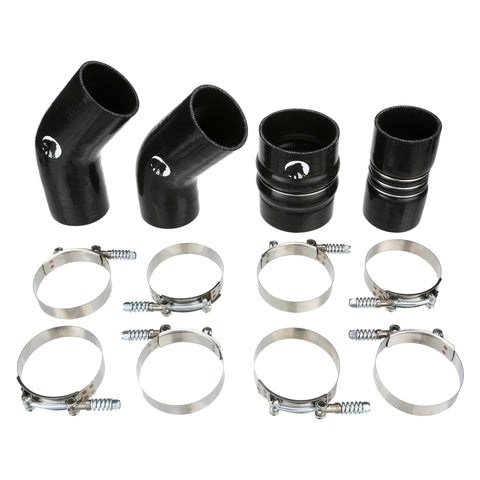
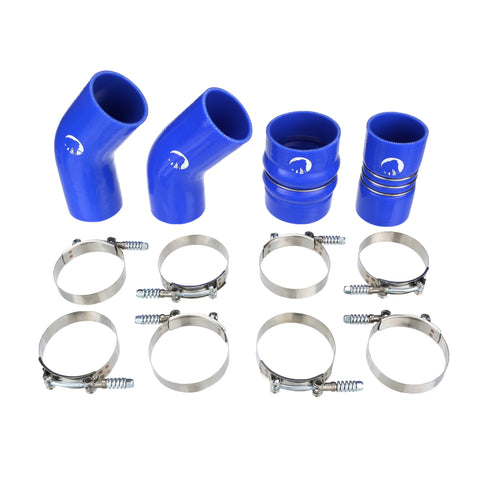
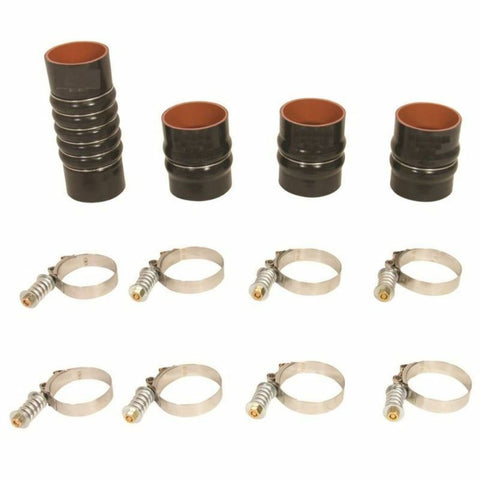
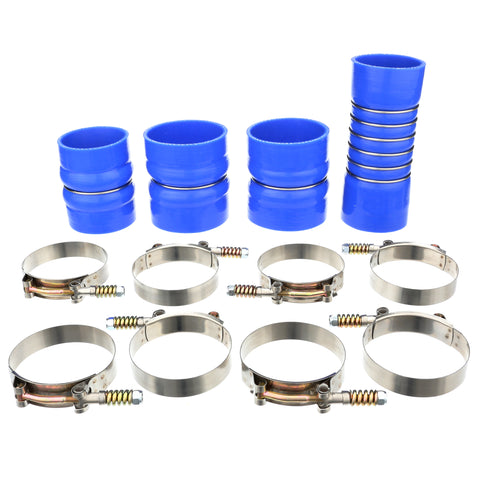
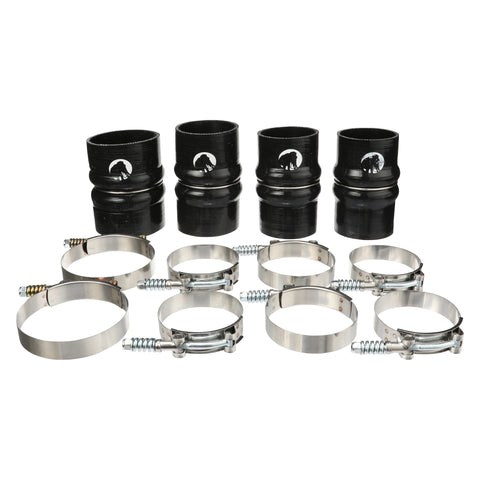
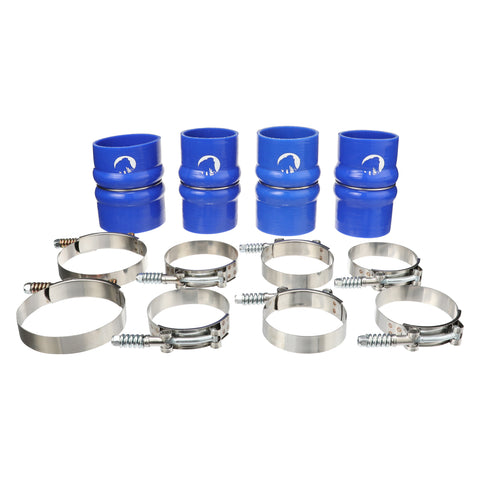
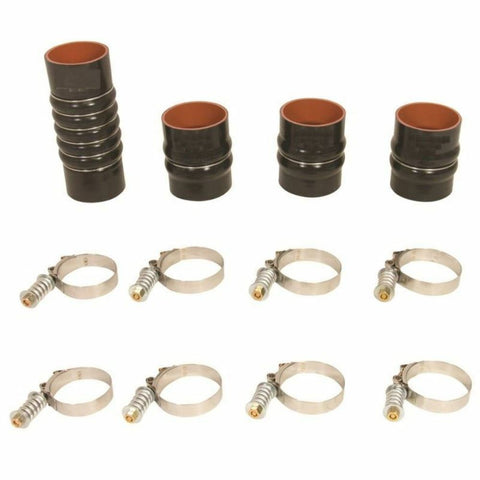
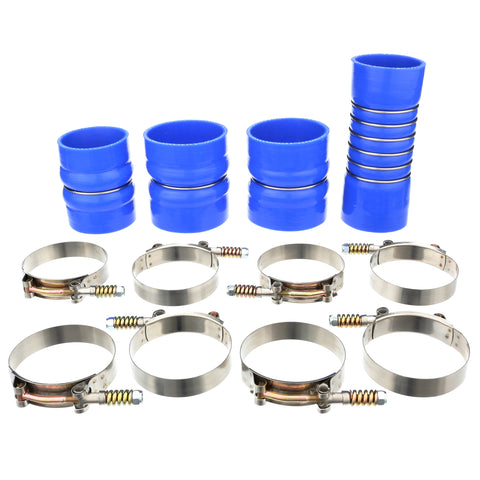
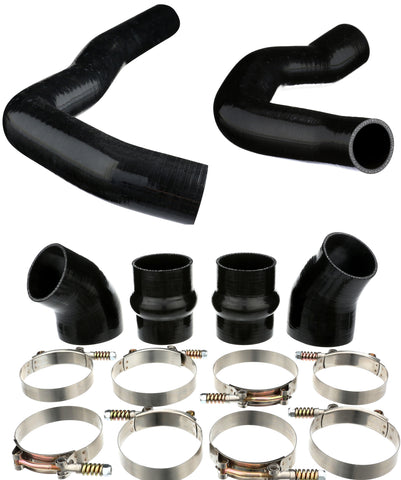
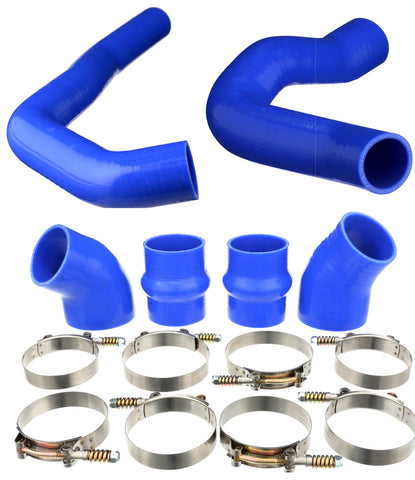
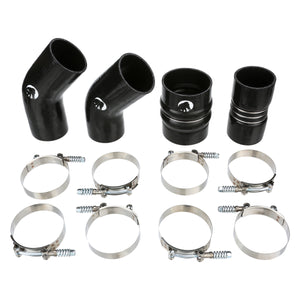
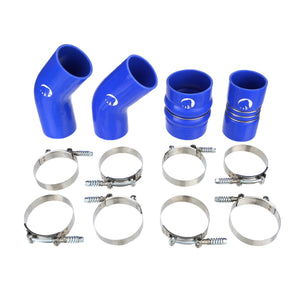
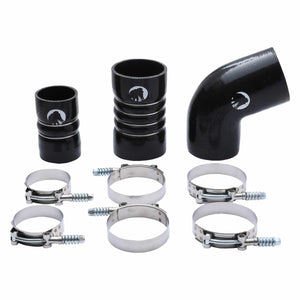
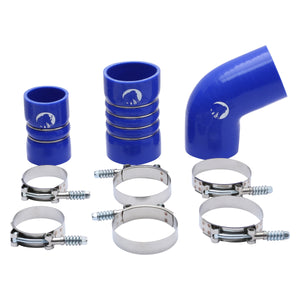
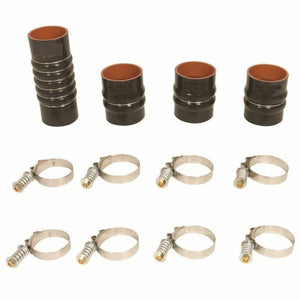
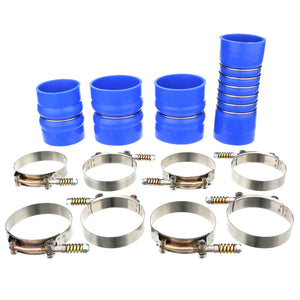
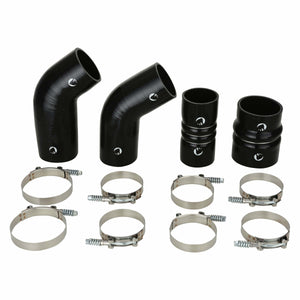
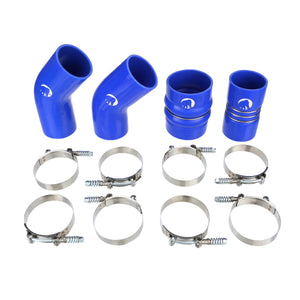
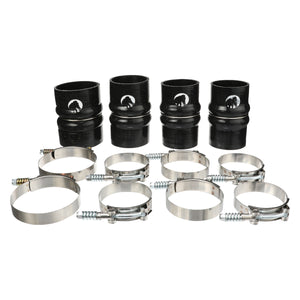
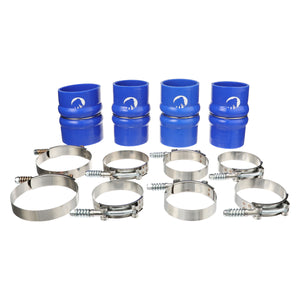
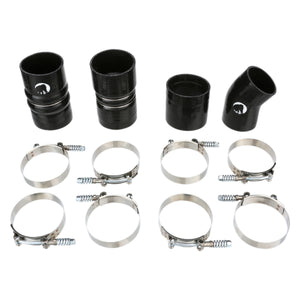
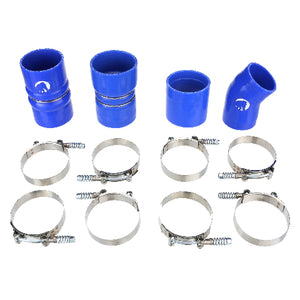
The kit contains three heavy-duty silicone boots and six constant-tension T-bolt clamps. It’s offered in black, blue and red, so you can keep the engine bay understated or choose a little color.
Mammoth lists the boots as “designed to withstand over 100 PSI of boost.” That product description isn’t a pressure-test instruction or a recommendation to increase your truck’s operating boost. Use the applicable service procedure whenever the charge-air system is tested.
This is the boots-and-clamps kit. If your inspection turns up a damaged pipe or another problem, plan for that repair separately so you have the right parts ready.
Take your time with the connections
A few photos before disassembly make a useful reference for boot positions and clamp placement. Once the old boots are off, inspect the pipe ends and sealing surfaces for damage. Follow the applicable instructions for cleaning and preparation.
As you fit the new boots, check that the pipes line up naturally and the boots sit correctly on each connection. Look around the assembly for anything that could rub against it. If a connection needs to be forced sideways to meet, stop and work out why before tightening it down.
Follow the installation instructions and the correct torque specification for the supplied clamps. If those details aren’t available, ask Mammoth before proceeding. Tightening by feel or borrowing a torque number from a different clamp can create another problem.
Have the finished system checked for leaks before returning the truck to heavy use. If the original symptom remains, continue the diagnosis rather than assuming the new boots have ruled out everything else.
If the coolant hoses need attention too
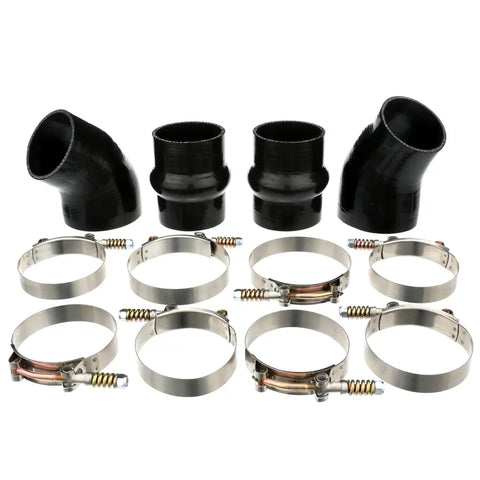
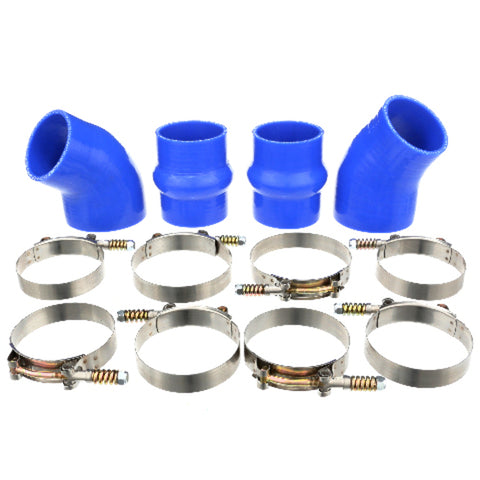
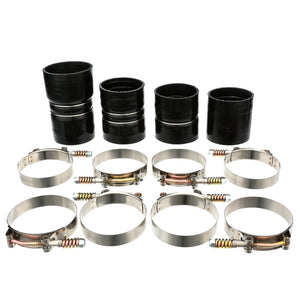
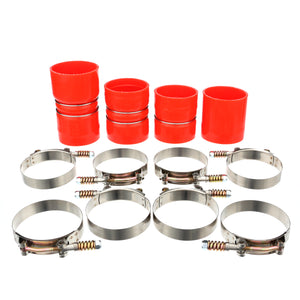
While you’re planning the work, you may find that the coolant hoses also need replacing. Mammoth offers a separate Duramax coolant hose kit and an intercooler and coolant hose combo kit for the LBZ and LMM applications. Compare their contents and fitment with the repairs your truck actually needs.
Check the coolant connections separately, especially if the truck has been modified. Once you’ve confirmed the application and the cause of the leak, choosing the right kit becomes a much simpler job.
Featured products


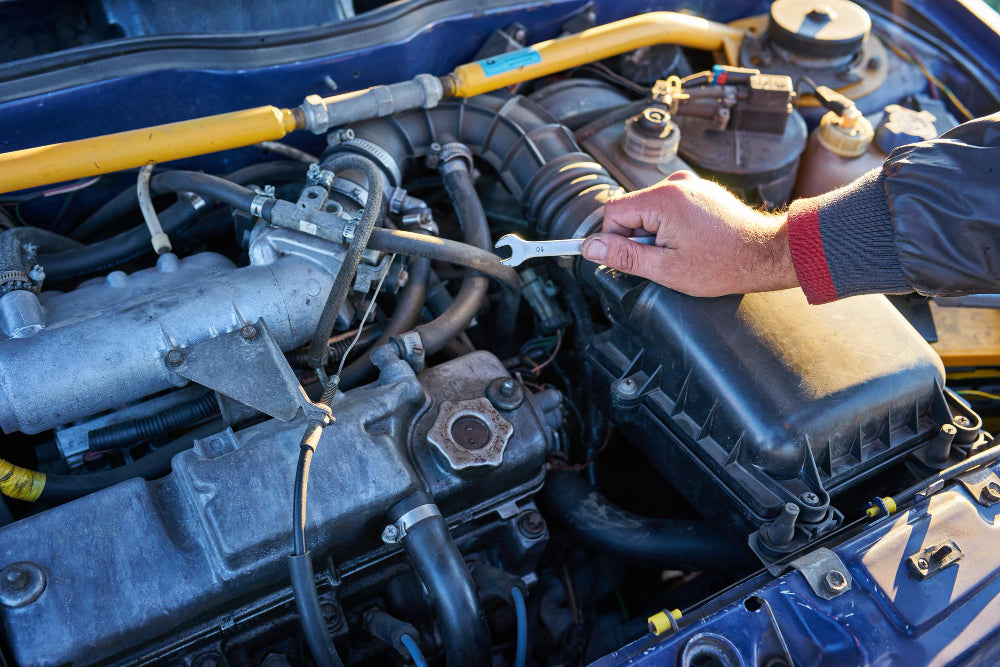
Diesel engines have long been the default option for light-duty/heavy-duty truck buyers. However, like gasoline-powered engines, they can also break...
Diesel engines have grown significantly in popularity over the last 40 years for several reasons. One is that modern...

The 7.3 Powerstroke, a legendary diesel engine, stands tall as a prime upgrade candidate for several compelling reasons.