Duramax vs Powerstroke reliability by engine generation
 .

Table Of Contents
Choosing between a Duramax and a Powerstroke starts with the model year, engine generation and condition of the truck. An older LB7 Duramax and a newer L5P share a name, but they are different buying decisions. The same is true of Ford’s 7.3L, 6.0L, 6.4L and 6.7L diesels.
For a used truck, compare service records, repair history and inspection results before choosing a brand. This guide covers Chevrolet Silverado HD, GMC Sierra HD and Ford Super Duty diesel pickups. Vans, chassis cabs and smaller diesel engines can have different equipment and applications.
Identify the engine before comparing trucks
Duramax pickup generations include the LB7 from 2001 through the first part of 2004, LLY beginning during 2004, LBZ in 2006–2007, LMM from the new-body 2007 trucks through 2010, LML in 2011–2016 and L5P beginning in 2017. Some 2006 trucks carry the LLY designation but differ from the earlier LLY configuration.
For Ford Super Duty pickups, the 7.3L continued into 2003, the 6.0L arrived during 2003 and continued through 2007, the 6.4L covered model years 2008–2010, and the 6.7L began in 2011. The 6.7L has received several updates since then.
Transition years matter. Confirm the engine using the VIN, factory build information and engine identification before comparing specifications or ordering parts. A model year alone may not settle fitment.
LB7 vs Powerstroke from 2001 to 2004
An early Duramax comparison can involve two very different Ford engines. A 2002 Super Duty diesel has a 7.3L; a 2003 truck needs closer identification because Ford changed engines during that model year.
On an LB7, make injector condition and repair history part of the inspection. Ask for invoices showing what was replaced and when. Hard starting, rough running or an unexplained rise in oil level need diagnosis rather than an assumption that the truck only needs a routine service.
On a 7.3L, ask the inspecting shop to evaluate cold and hot starting, injector operation, oil leaks, cooling-system condition and the transmission. These are older trucks now, so rust, wiring, brakes and suspension deserve as much attention as the engine.
If the Ford has a 6.0L, use the inspection priorities in the next section. Treating every early-2000s Powerstroke as a 7.3L can leave you budgeting for the wrong repairs.
LLY and LBZ vs Powerstroke in the mid 2000s
When comparing an LLY or LBZ with a 6.0L Powerstroke, focus on cooling-system condition, operating history and the quality of any previous repairs.
For either Duramax, ask about overheating, coolant loss and towing use. Have a technician inspect the radiator, fan operation, hoses, coolant condition and charge-air plumbing. If the truck has run hot, find out what caused it and how the repair was verified.
The 6.0L needs a careful review of the oil cooler, EGR cooler and cooling-system pressure. Ford’s cooling-system diagnostic bulletin covers several possible causes of overheating and coolant loss, including EGR-cooler and head-gasket concerns. Those conditions call for diagnosis; the bulletin does not mean every 6.0L has the same fault.
Ford 6.0L cooling-system diagnostic bulletin
Ask the seller what “upgraded” or “bulletproofed” means on that particular truck. Get an itemized invoice, the shop’s name and the reason for the work. A modification list alone does not establish the engine’s current condition.
LMM vs Powerstroke from 2008 to 2010
The LMM Duramax and 6.4L Powerstroke bring diesel particulate filter condition into the comparison. A DPF captures exhaust soot and needs regeneration to manage that buildup. Ask about warning messages, repeated regeneration problems and previous emissions-system repairs.
For an LMM, include the fuel system, turbo operation, cooling system and DPF data in a pre-purchase inspection. A clean dashboard is useful, but it does not replace a scan for stored faults and a proper road test.
For a 6.4L, inspect the cooling system closely and review any low-power or exhaust-temperature fault history. Ford issued separate service bulletins addressing radiator coolant leaks and certain exhaust gas temperature sensor faults on 2008–2010 Super Duty trucks.
Ford 6.4L radiator-leak bulletin
Ford 6.4L exhaust-temperature sensor bulletin
Budget from the actual inspection. An unresolved warning light, coolant loss or unexplained low-power condition needs a written diagnosis and repair estimate before you can judge the asking price.
LML vs Powerstroke from 2011 to 2016
For an LML Duramax or a 2011–2016 6.7L Powerstroke, pay close attention to fuel-system service and emissions-system history. Ask about fuel-filter changes, water-in-fuel warnings, hard-start complaints and any high-pressure pump or injector work.
GM’s LML fuel-system diagnostic guidance describes contamination associated with hard starting, rough running and fuel-pressure faults. That makes the details of a previous repair important: what failed, whether contamination was found and which components were cleaned or replaced.
GM 6.6L fuel-system contamination guidance
Use the same questions when reviewing a 6.7L Ford’s repair records, while having a Ford-qualified technician check the procedures and parts appropriate to that model year. Do not assume that every 6.7L has identical hardware.
On both platforms, have the shop check the DPF, diesel exhaust fluid system, turbocharger controls and charge-air connections. Buying a truck with a known fault is a financial decision that needs a diagnosis, rather than a promise that the fault is easy to clear.
L5P vs Powerstroke from 2017 onward
With an L5P Duramax or a later 6.7L Powerstroke, narrow the comparison to specific model years and configurations. Engine output, transmission choices, towing equipment and other hardware have changed over time.
Review maintenance records, engine hours where available, previous towing or commercial use, emissions-system warnings and completed repairs. Have a technician check for leaks, stored faults and evidence of non-factory programming or hardware changes.
If you tow, compare the ratings for the exact trucks. Cab, bed, axle ratio, drivetrain, payload and hitch equipment can change what a truck is rated to carry or pull. An engine’s advertised torque figure does not establish your towing limit.
Ask a dealer to check the VIN for outstanding recalls, applicable service campaigns and any remaining coverage. A newer model year alone is not a complete reliability assessment.
A practical checklist before you buy
Start with a cold engine. Arrange the inspection before the seller warms the truck up, then include a hot restart and road test.
Read the records. Look for dates, mileage, parts and the reason for each repair. “Recently serviced” is less useful than an invoice.
Scan the truck. Have a diesel-qualified shop review faults, readiness information and relevant operating data. Ask whether recent resets could limit what the scan reveals.
Check the whole vehicle. Include the transmission, steering, suspension, brakes, frame and corrosion. Engine condition is only one part of ownership cost.
Price unresolved problems. Get a written estimate and allow room in the budget for overdue maintenance and downtime.
Follow the correct maintenance schedule. Use the owner’s manual for the exact truck, including any requirements for towing, idling or severe service. Keep required emissions equipment in working order.
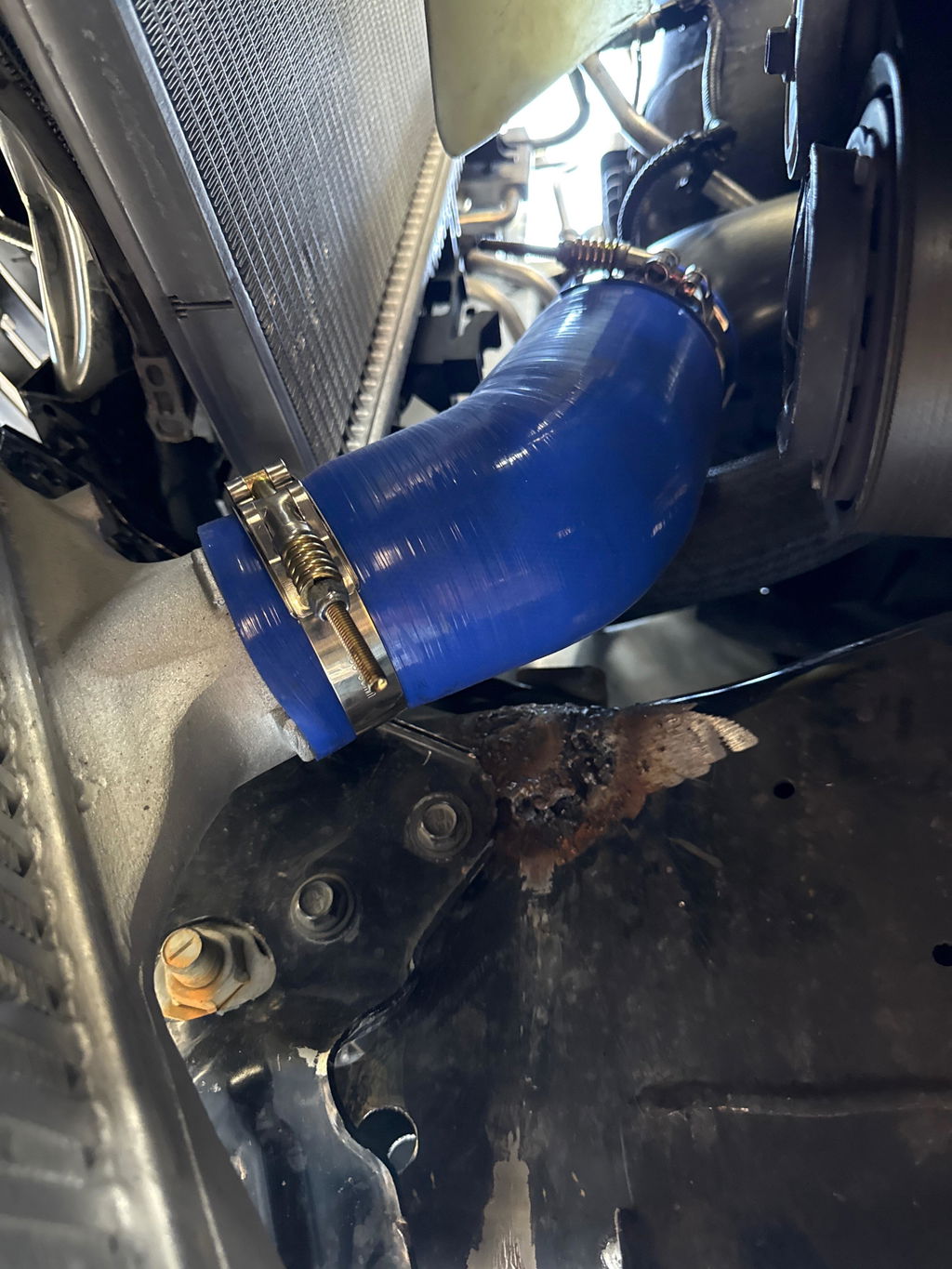
Inspect hoses and intercooler connections on either platform
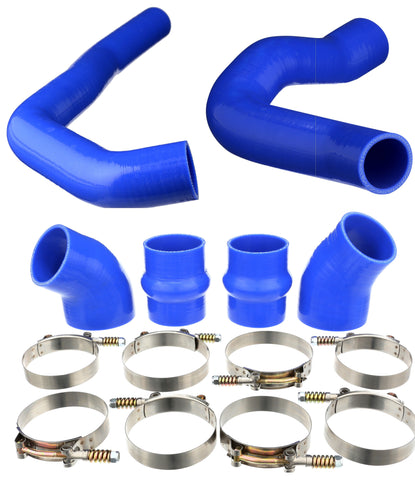
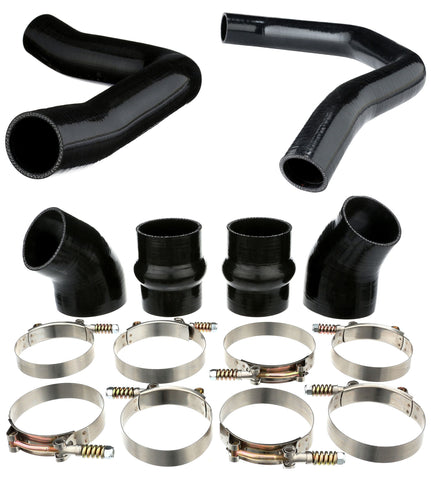
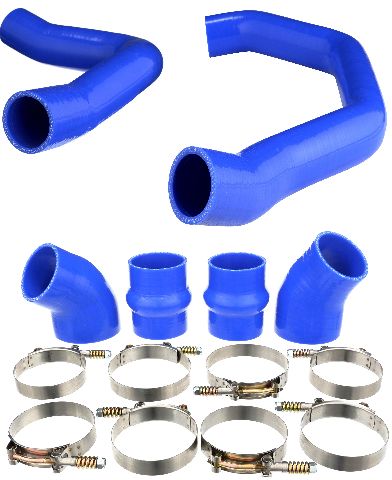
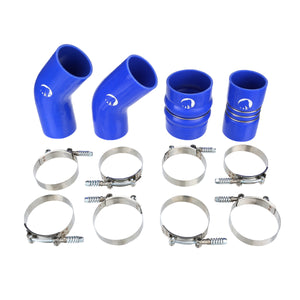
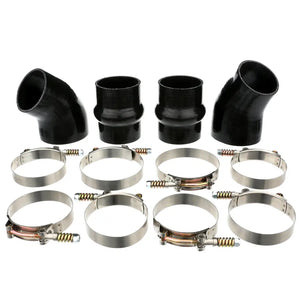
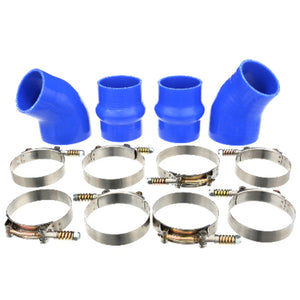
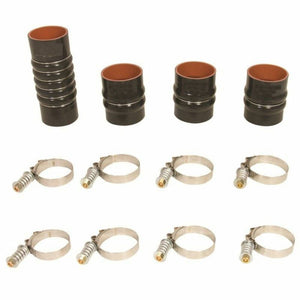
Cooling hoses and charge-air connections belong on the maintenance checklist regardless of badge. Look for coolant seepage, chafing, damaged boots, loose connections and signs of previous leaks. Have suspected boost or cooling-system leaks tested before buying replacement parts.
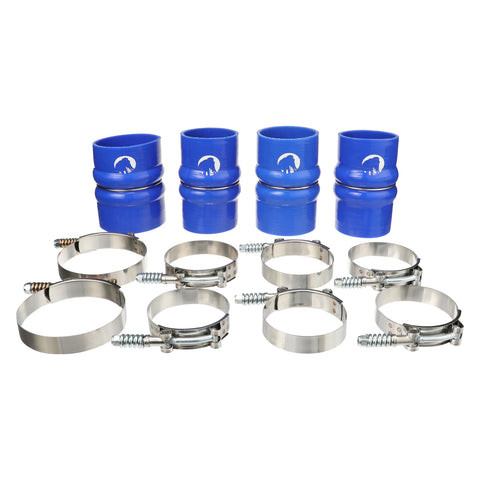
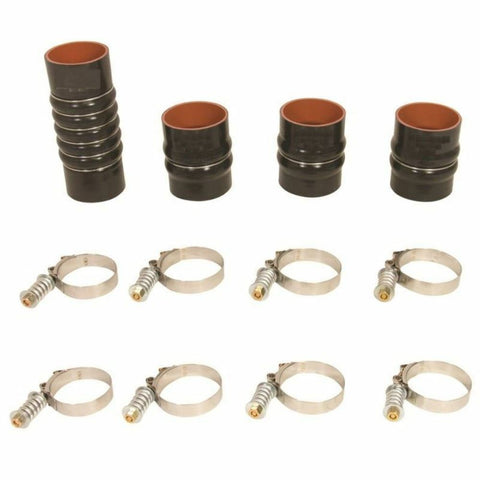
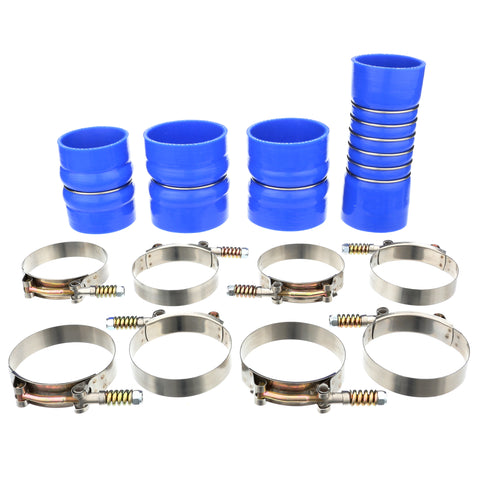
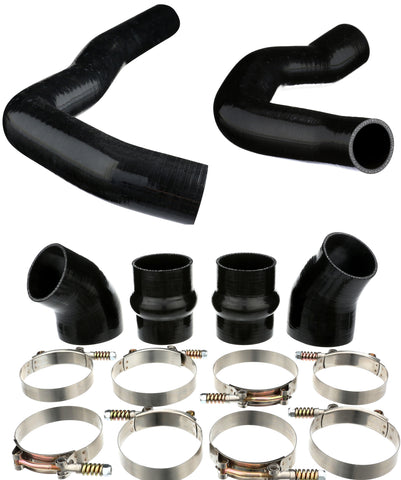
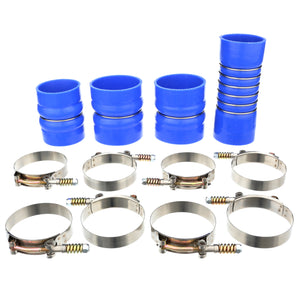
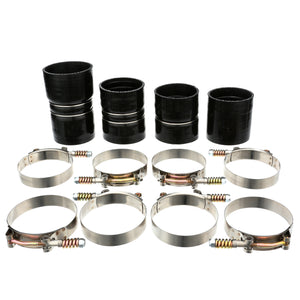
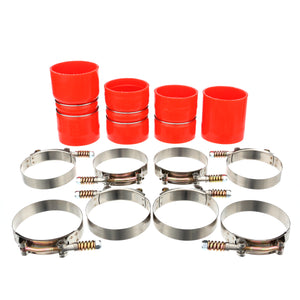
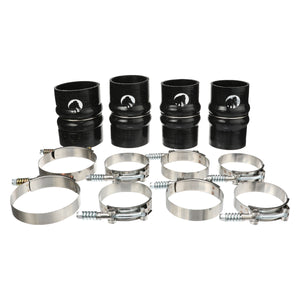
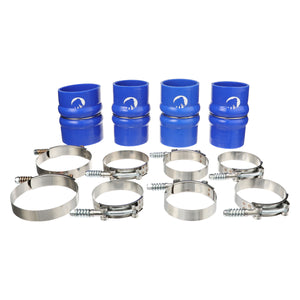
When a hose or boot needs replacement, start with the truck’s exact year, engine and configuration. Mammoth offers application-specific options in these collections:
Duramax coolant hoses and pipes
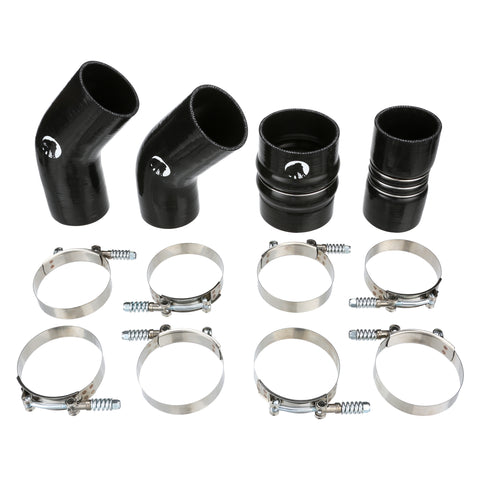
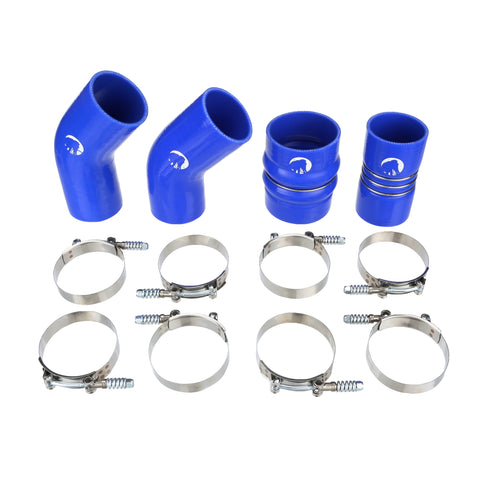
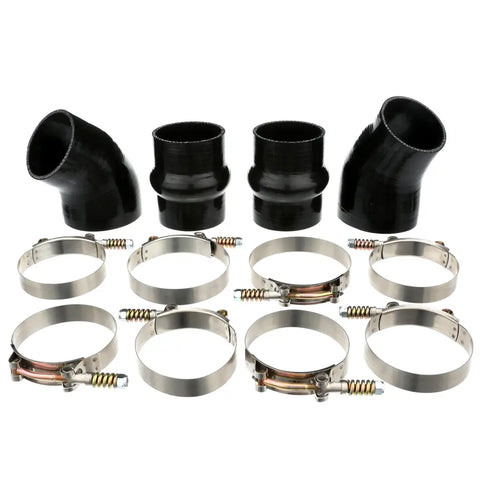
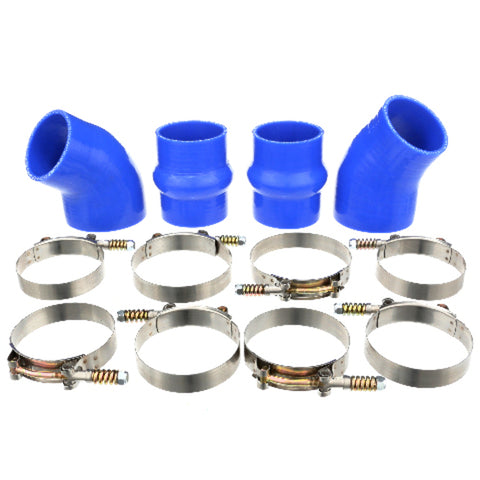
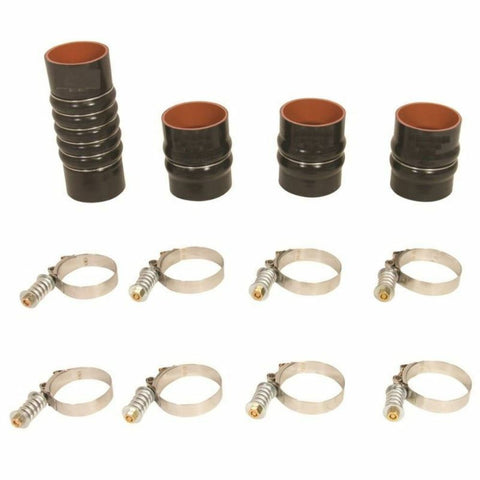
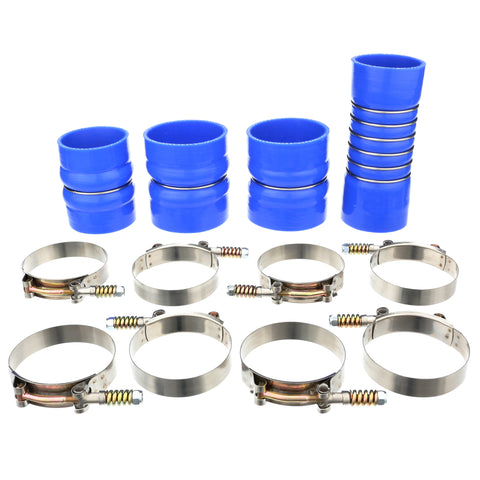
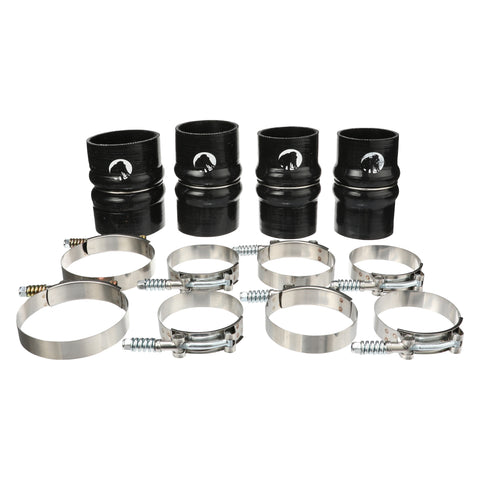
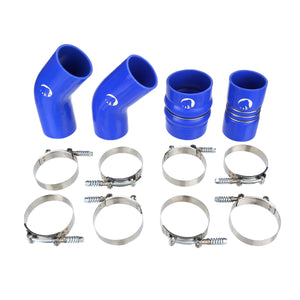
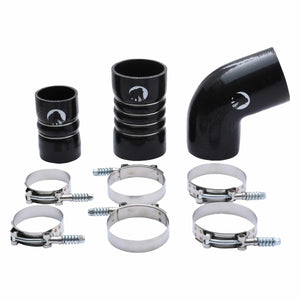
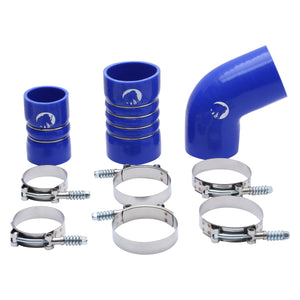
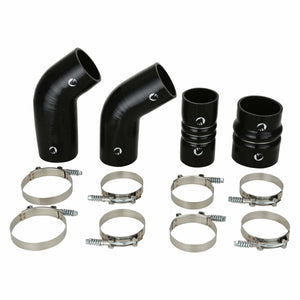
Powerstroke intercooler boot kits
Powerstroke coolant hoses and pipes
Check the individual listing for model years, build-date restrictions, connection style and included parts. A replacement hose or boot addresses the component it replaces; it cannot correct an injector, head-gasket, fuel-pump or emissions-system fault.
Choose the truck with evidence behind it
The useful Duramax vs Powerstroke comparison is between the trucks you can actually buy. Match the engine generation to its inspection needs, verify the service history and compare the total cost after required repairs. A clear diagnosis and documented maintenance give you a stronger basis for choosing than a blanket claim that one diesel brand always lasts longer.
Featured products






Diesel engines have long been the default option for light-duty/heavy-duty truck buyers. However, like gasoline-powered engines, they can also break...

The best diesel pickup engine is the one that suits your work, budget and the condition of the truck you’re buying. An engine’s reputation is...

The 7.3 Powerstroke, a legendary diesel engine, stands tall as a prime upgrade candidate for several compelling reasons.