
Dodge and Ram Cummins Generations by Year
 .
Table Of Contents
Most owners group Cummins-powered Dodge and Ram pickups into five generations: 1989–1993, 1994–2002, 2003–2009, 2010–2018 and 2019 onward. These names help describe the truck, but the model year, engine and exact application still decide which parts fit.
Cummins generations at a glance
| Common name | Pickup model years | Cummins engine |
|---|---|---|
| 1st gen | 1989–1993 | 5.9L 12-valve |
| 2nd gen | 1994–2002 | 5.9L 12-valve or 24-valve |
| 3rd gen | 2003–2009 | 5.9L, then 6.7L for 2007.5 |
| 4th gen | 2010–2018 | 6.7L |
| 5th gen | 2019 onward | 6.7L |
This chart uses the common Cummins pickup groupings. Generation labels vary, especially for 2019-and-newer Heavy Duty trucks. Ram 1500 and chassis-cab changeover years can differ from the diesel pickups shown here. A gen name alone is not a fitment specification.
Why one generation can have two engines
Truck redesigns and engine changes happened on different schedules. Second-generation trucks span the change from the 12-valve to the 24-valve 5.9L. Third-generation trucks span the change from the 5.9L to the 6.7L. Sharing a generation does not mean sharing the same hoses or boots.
Three changeovers to check
1998 and the 24 valve change
The 24-valve 5.9L arrived during 1998, often called 1998.5. A 1998 model year alone does not identify the engine. Confirm whether your truck has the 12-valve or 24-valve before choosing a coolant hose kit.
Mammoth’s 1998.5–2002 coolant hose kit is listed for the 24-valve engine only. If you have a 1998 12-valve, confirm the correct kit before ordering.
2007 and the engine change
The 6.7L replaced the 5.9L during the 2007 model year. Both belong to the third-generation pickup group. Listings commonly use “2007.5” for the 6.7L trucks. Check your engine size rather than choosing a kit from “2007” alone.
2010 pickups and chassis cabs
Ram’s redesigned 2500 and 3500 pickups arrived for the 2010 model year. The redesigned 3500, 4500 and 5500 chassis cabs followed for 2011. That difference helps explain why older-body references appear in some 2010 parts listings.
It does not establish that a pickup hose kit fits a chassis cab. For a 2010 truck, confirm whether it is a pickup or chassis cab and check the kit’s exact application and hose connections.
Find the intercooler boot kit by year
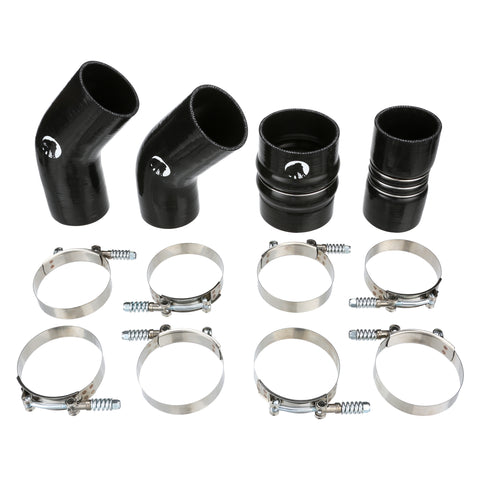
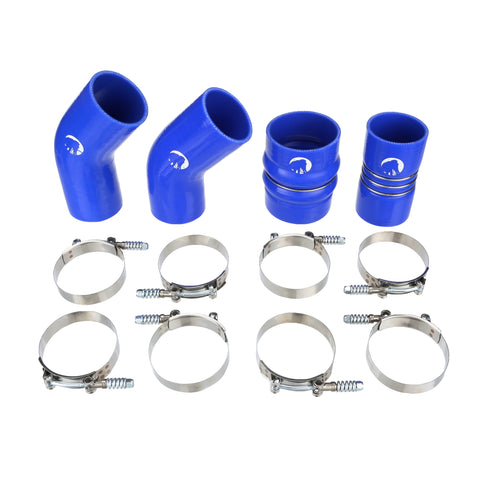
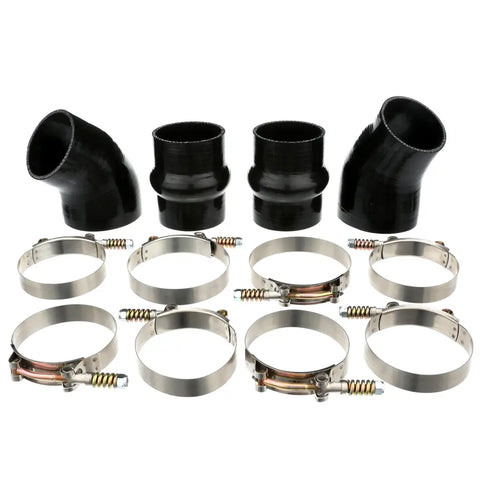
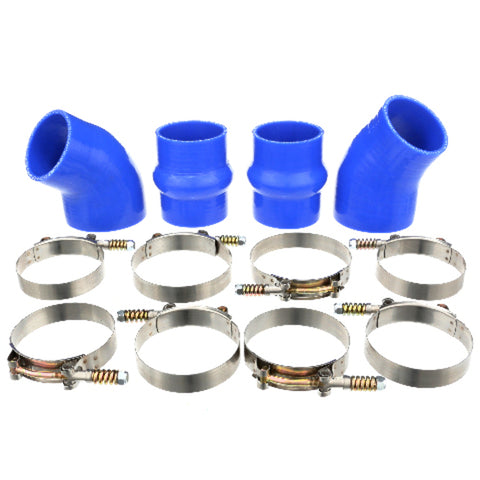
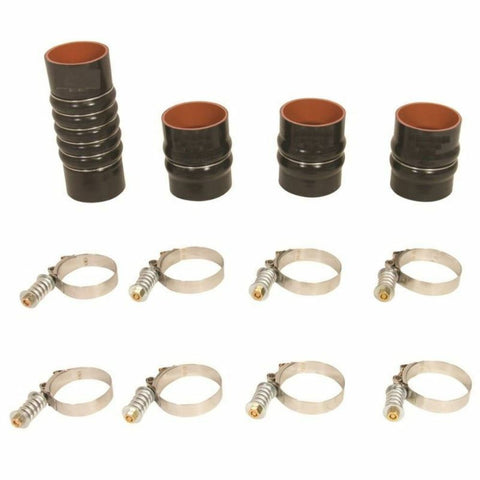
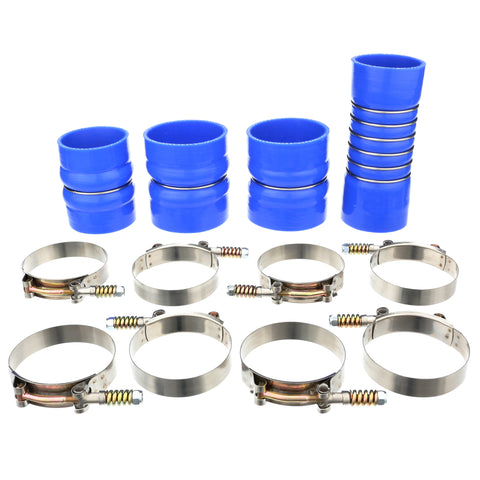
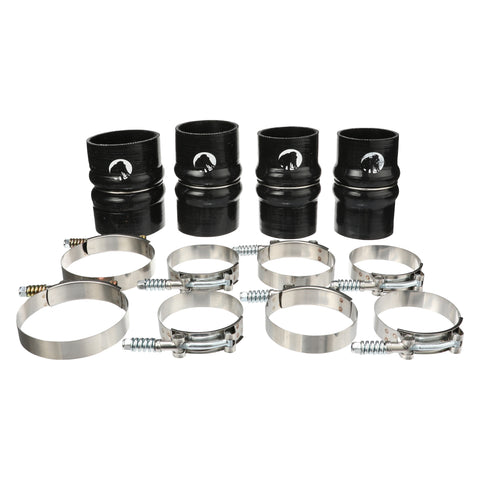
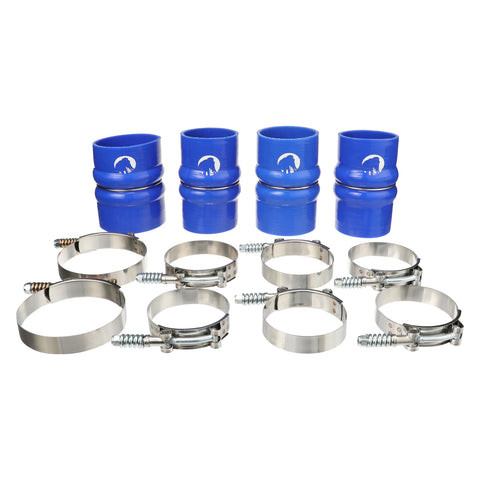
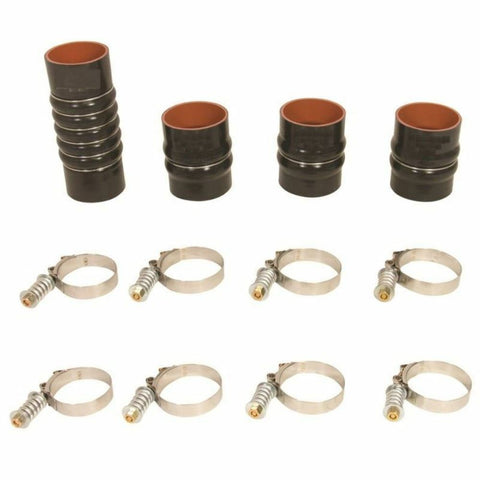
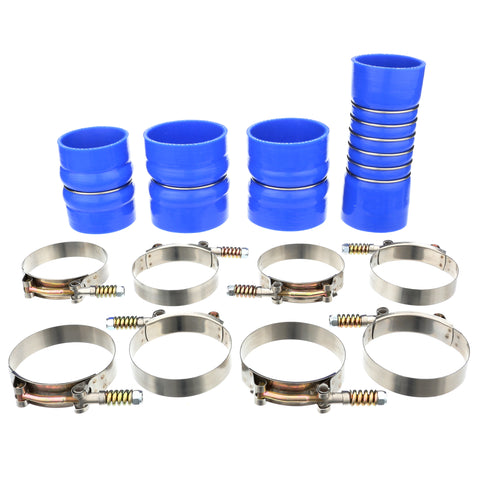
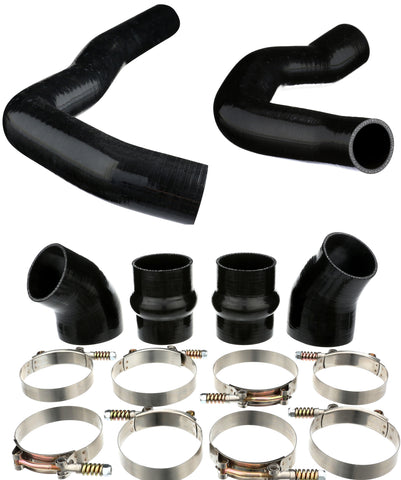
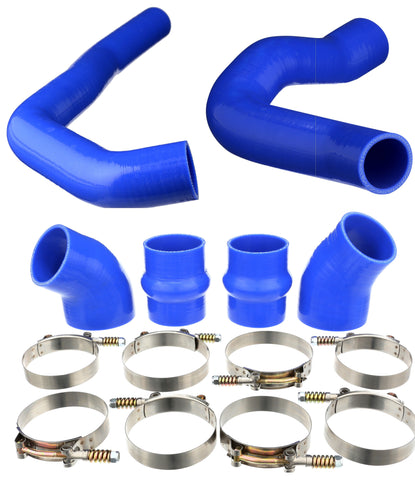
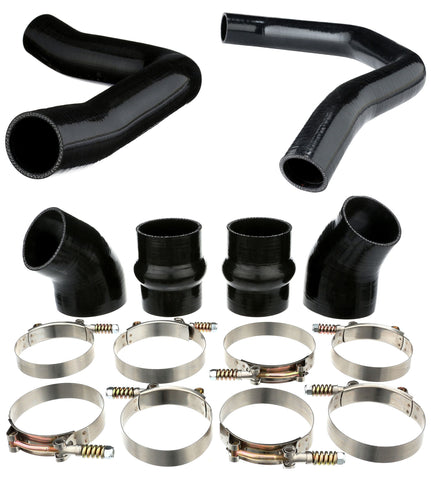
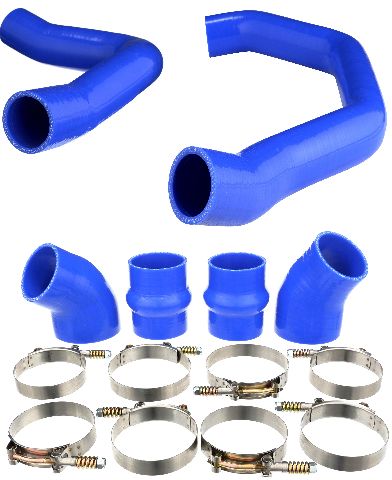
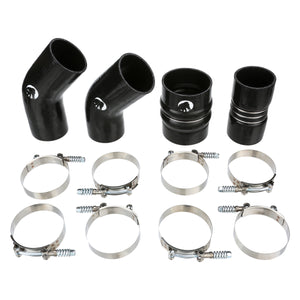
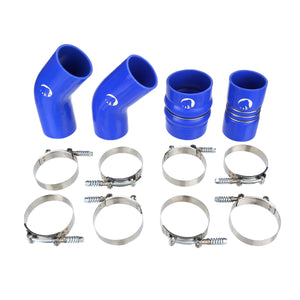
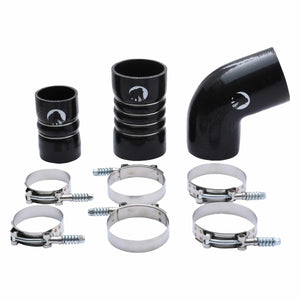
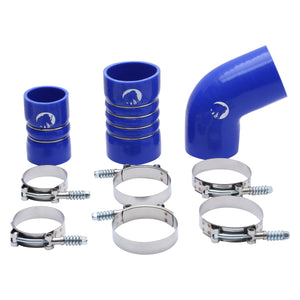
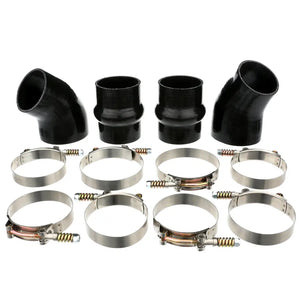
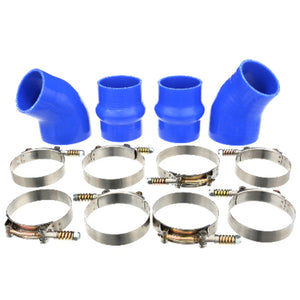
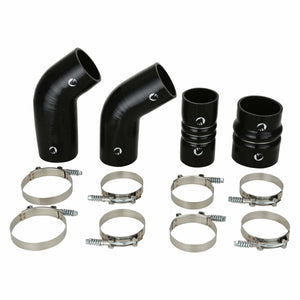
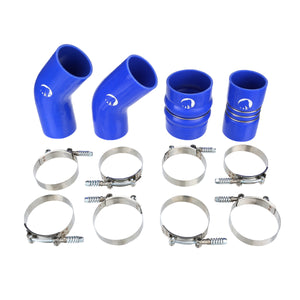
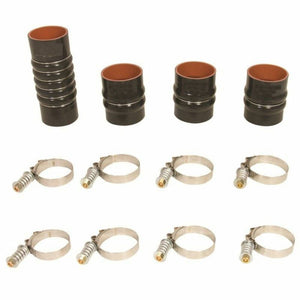
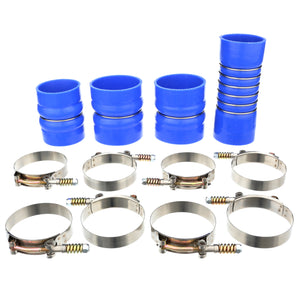
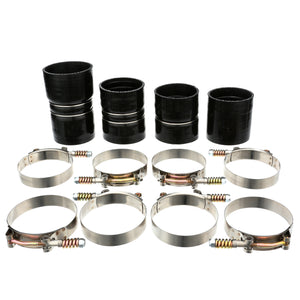
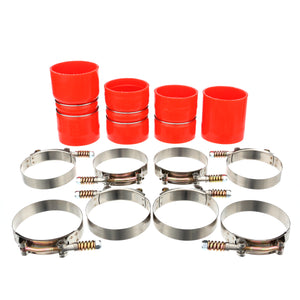
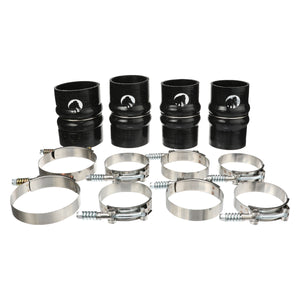
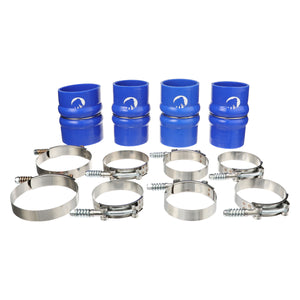
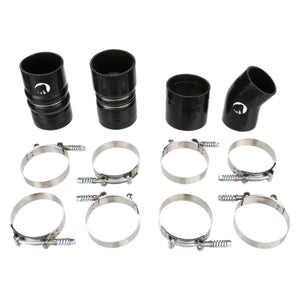
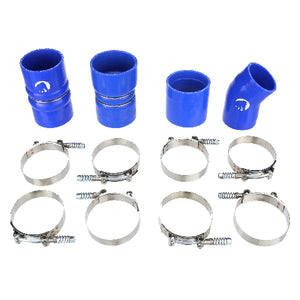
These Mammoth listings use model year and engine size. Review the full listing and compare the kit photos with your existing stock boots before ordering. Modified pipes may need different couplers.
For a 2026 truck, confirm boot fitment before ordering. The standalone boot kit is listed through 2025; a longer year range on a coolant or combo listing does not settle that question.
Radiator hoses have their own year splits
Start with the Cummins radiator hose kit guide for the coolant-hose ranges and fitment notes. They do not always match the intercooler boot ranges or generation boundaries.
For more detail on the charge-air side, see our 6.7 Cummins intercooler boots guide. Check each product separately before choosing a combo kit.
If your truck is a chassis cab, has modified plumbing or falls on a year split, contact us with the model year, engine, truck model and photos of the existing hoses or boots before ordering.
Common questions
What years are third generation Cummins pickups?
The common pickup grouping is 2003–2009. It includes both the 5.9L and the later 6.7L engine. Chassis-cab timelines differ, so check the actual vehicle when buying parts.
Is a 2015 Ram Cummins fourth or fifth generation?
In the common grouping used here, a 2015 Cummins pickup is fourth generation. Choose parts listed for your exact year and engine even when a seller uses a different gen label.
Does a newer gen name mean the same parts will fit?
No. A generation can cover several hose layouts and engine revisions. Use the product’s stated model years and application, and confirm anything unclear before ordering.
Buying a used truck? Our Cummins years buyer’s guide covers buying considerations separately from this year chart.
See our lifetime limited warranty for coverage and exclusions.
Featured products




Diesel engines have long been the default option for light-duty/heavy-duty truck buyers. However, like gasoline-powered engines, they can also break...

Diesel engines have grown significantly in popularity over the last 40 years for several reasons. One is that modern...

The 7.3 Powerstroke, a legendary diesel engine, stands tall as a prime upgrade candidate for several compelling reasons.