Powerstroke Years to Avoid: A Used-Truck Buyer's Guide
 .
Table Of Contents
If you're shopping for a used Powerstroke, be cautious with a 2003–2007 6.0 or 2008–2010 6.4 that has missing service records or unresolved coolant loss. Those are good reasons to pay for a diesel-specific inspection before agreeing on a price.
A 7.3's reputation does not erase decades of wear, and a newer 6.7 still needs a service-history and recall check. Buy the truck on its condition, documented repairs and the work you need it to do.
Here's where to focus your inspection for each engine family.
Powerstroke years at a glance
These are U.S. pickup model years. Vans, medium-duty trucks and chassis-cab applications can differ.
| Model years | Engine | Where to focus before buying |
|---|---|---|
| 1994.5–2003 | 7.3L | Age, rust, starting and running condition, maintenance records and applicable camshaft-position-sensor recall history |
| 2003–2007 | 6.0L | Cooling-system diagnosis, oil and EGR cooler history, and documentation of any head-gasket work |
| 2008–2010 | 6.4L | Radiator and coolant leaks, diesel particulate filter operation, turbo operation and applicable recall history |
| 2011–2014 | 6.7L | Fuel-system maintenance, turbo and emissions-system condition, and the truck's exact configuration |
| 2015 and newer | 6.7L | The same full inspection, plus model-year-specific updates and recalls rather than an assumption that newer means trouble-free |
The 7.3 and 6.0 overlap in the 2003 model year. Confirm the engine using the VIN, underhood emissions label and the engine actually installed, especially if the truck has been swapped or modified.
7.3 Powerstroke: condition matters more than reputation
The 7.3 is the oldest engine family in this guide. Look beyond mileage and inspect the whole truck: frame and body rust, oil and coolant leaks, wiring condition, steering, brakes and transmission operation. Ask to see a cold start and a restart after the engine is fully warm.
One documented issue is the camshaft position sensor. Ford's 07S57 recall, also listed as NHTSA 07V553, covered certain 1997–2003 vehicles with the 7.3 diesel because sensor failure could cause the engine to stall. Have a Ford dealer check the truck's campaign and repair history. The recall does not mean every 7.3 has the problem. Ford's recall notice
If an advertisement says “best year 7.3,” ask what work has been done and what still needs attention. A clean, documented truck is more useful to a buyer than an engine's reputation alone.
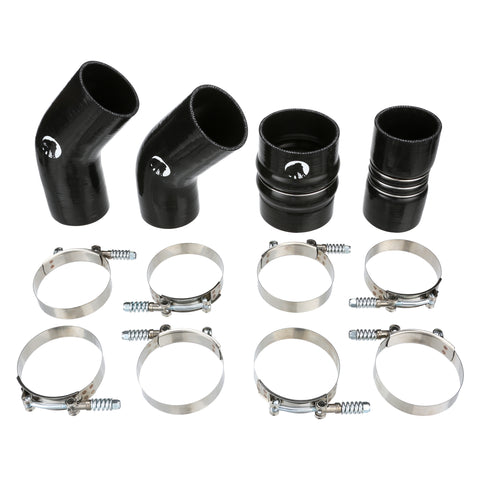
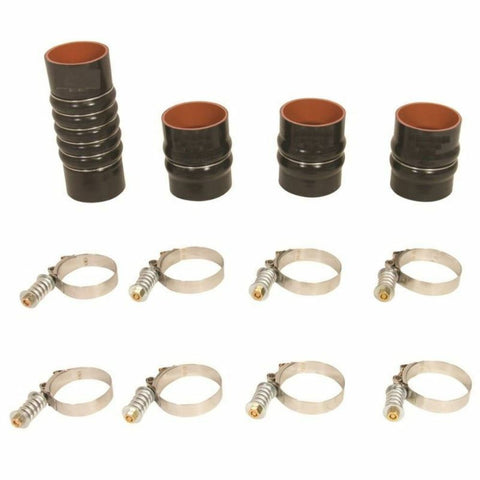
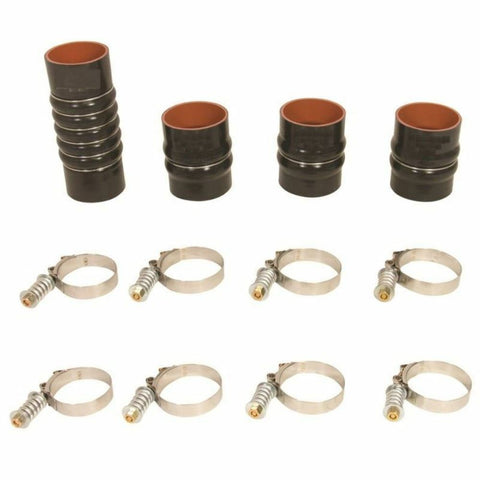
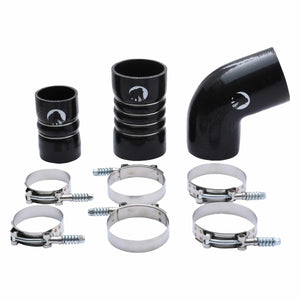
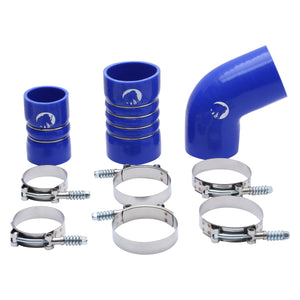
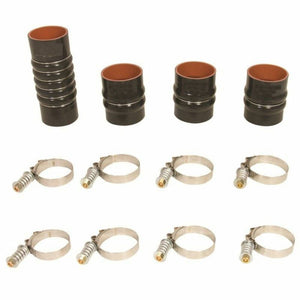
For replacement-part planning, our 7.3 Powerstroke intercooler boot guide covers Mammoth's 1999.5–2003 Super Duty application. Don't assume that fitment carries over to an earlier truck.
6.0 Powerstroke, 2003–2007: insist on cooling-system answers
For a used 6.0, unresolved coolant loss deserves proper diagnosis before purchase. Ford's coolant-loss bulletin covers the degas bottle and cap, internal EGR cooler leaks, restricted coolant flow through the oil cooler, and head-gasket diagnosis. It also calls for checking turbo overboost when leaking head gaskets are diagnosed. Ford TSB 09-8-3
Ask for repair invoices that show what failed, what was tested and which parts were replaced. “Bulletproofed” in a listing does not tell you that.
White exhaust smoke, coolant loss or coolant venting from the reservoir are reasons for further testing. They do not identify one failed part by themselves. Ford specifically notes that a leaking EGR cooler can produce symptoms that resemble a leaking head gasket.
Have a qualified diesel technician evaluate the cooling system and scan data using the correct diagnostic procedure. Don't judge the oil cooler from a casual glance at oil and coolant temperatures during a test drive. Test conditions matter.
Our buying advice: leave room in the budget for the inspection and any documented repairs. If the seller cannot explain persistent coolant loss or refuses an independent inspection, keep looking.
6.4 Powerstroke, 2008–2010: check the cooling and exhaust systems
The 6.4 uses twin turbochargers, high-pressure common-rail injection and a diesel particulate filter. Each system should be included in the pre-purchase inspection. Ford's engine overview
Cooling-system history is particularly useful. Ford issued a bulletin for some 2008–2010 Super Duty trucks with radiator coolant leaks. It explains that slow leaks at hoses or connections can lower coolant levels and contribute to thermal cycling that stresses radiator tubes. Look for evidence of leaks and ask the technician to test the system rather than accepting “it just needs topping off.” Ford TSB 11-12-4
Certain 2008 6.4 trucks were also included in Ford recall 07S49, NHTSA 07V139, involving excessive exhaust temperature at the diesel particulate filter. Check whether the specific truck was affected and whether the recall work was completed. Ford's recall explanation
During the inspection, request a scan for stored faults and an assessment of turbo and exhaust-aftertreatment operation. Get an explanation for modifications or missing emissions equipment before treating a low asking price as a bargain.
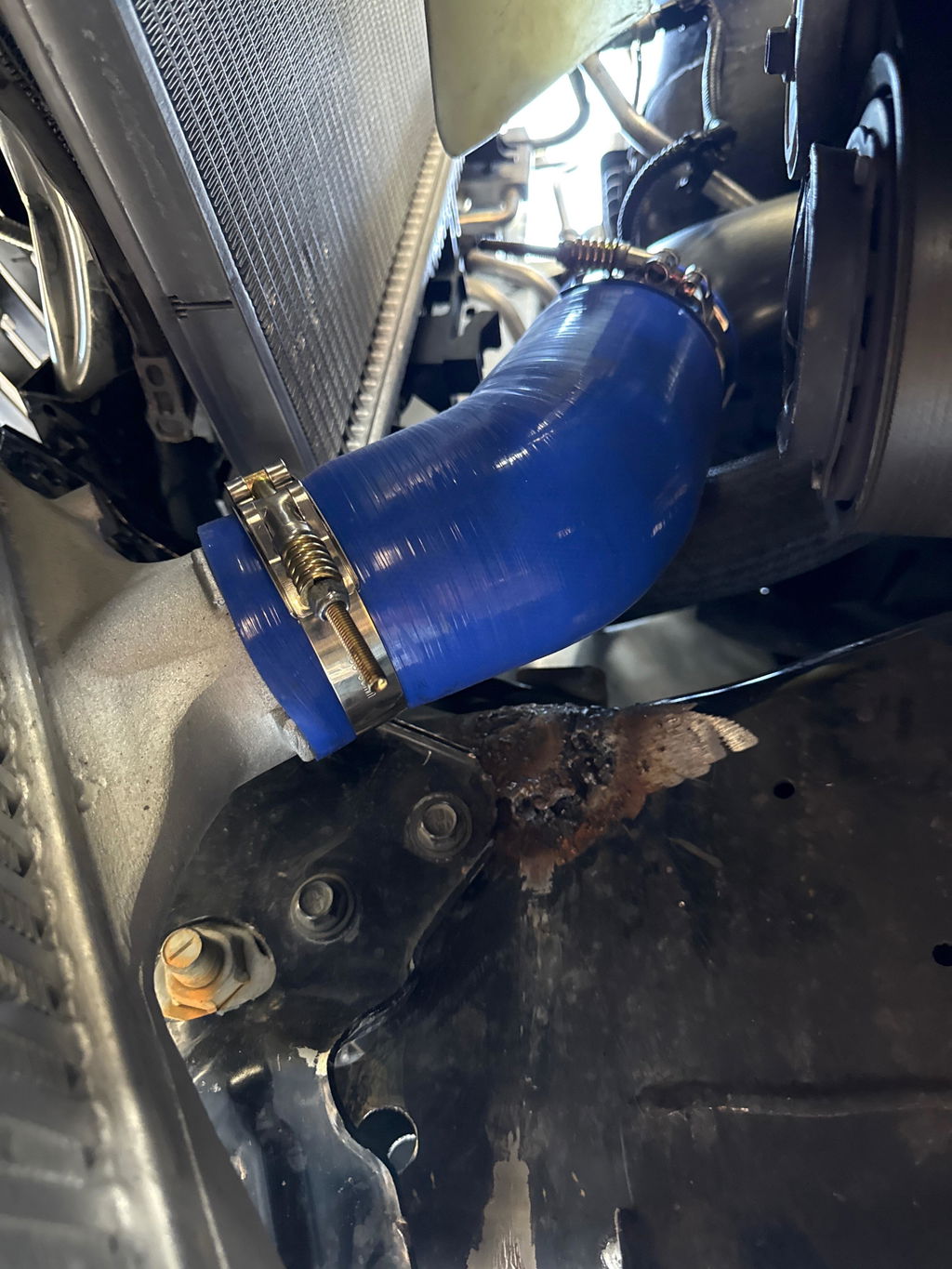
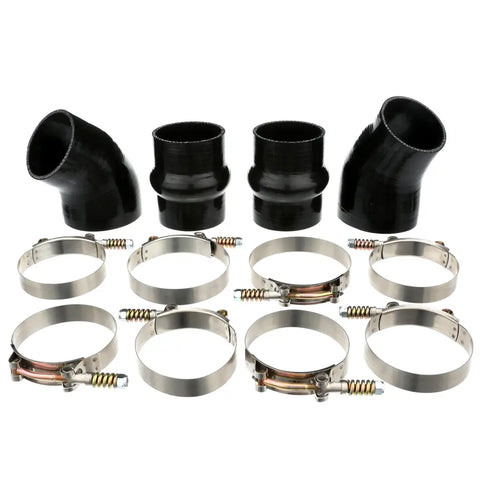
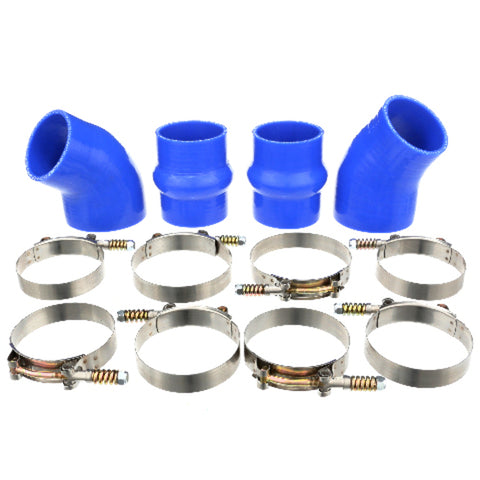
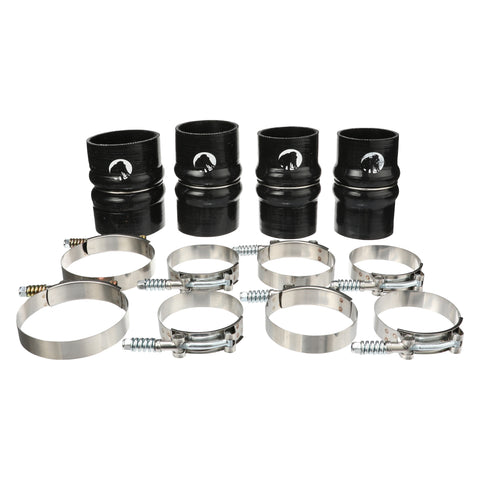
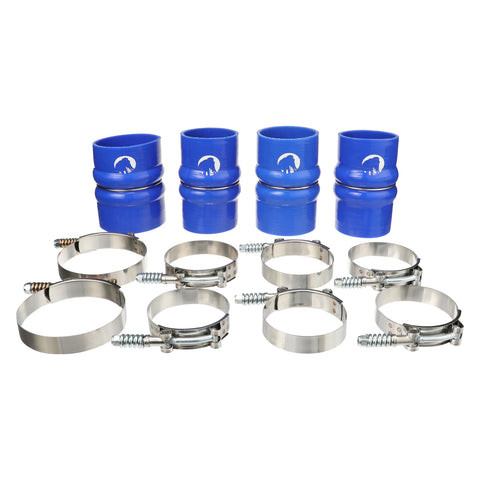
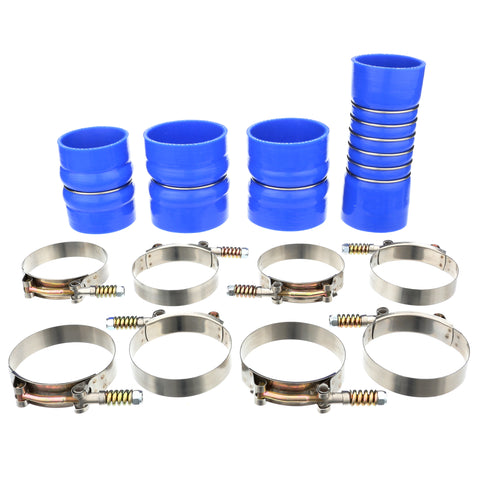
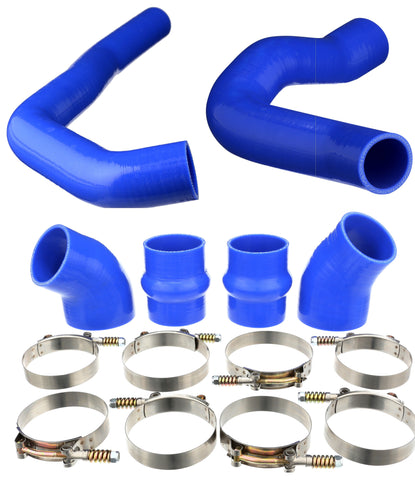
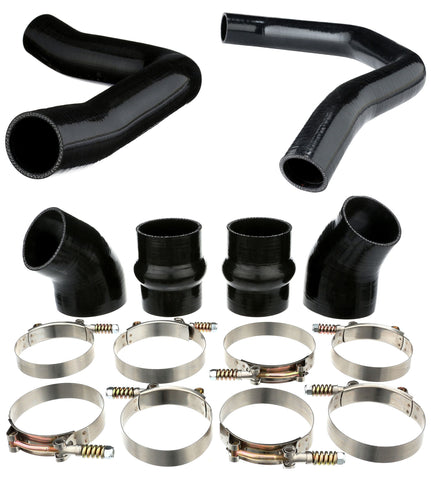
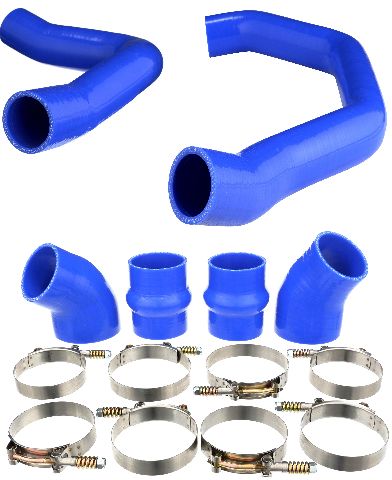
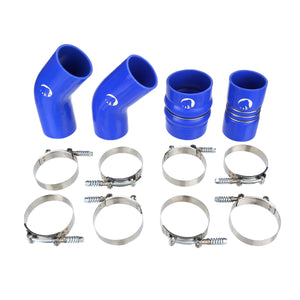
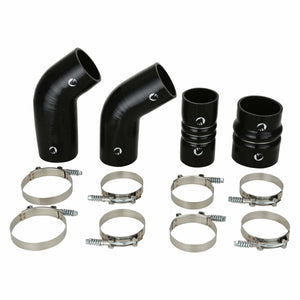
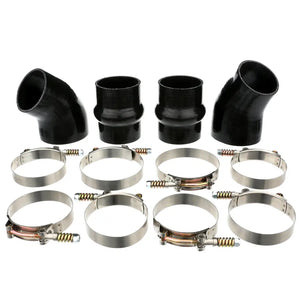
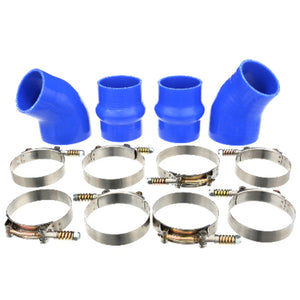
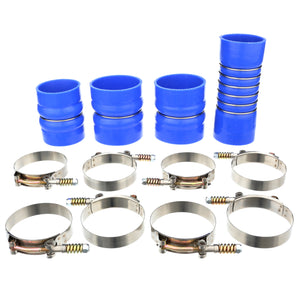
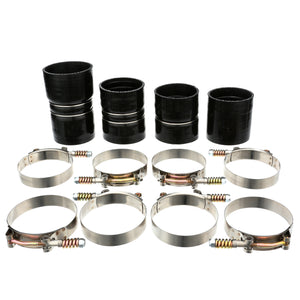
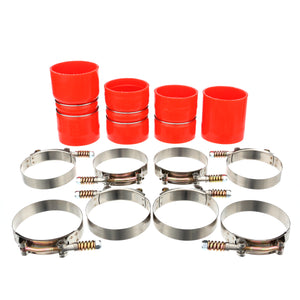
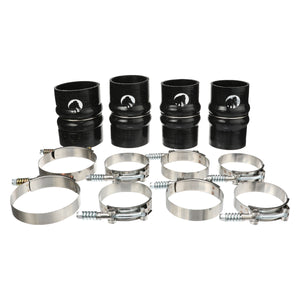
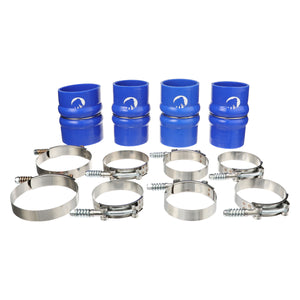
For a truck that checks out mechanically, our 6.4 Powerstroke intercooler boot guide explains the boot-kit application. Replacement boots or hoses address those specific parts; they do not repair an internal engine or emissions-system fault.
6.7 Powerstroke, 2011 and newer: compare the exact truck
The 6.7 arrived for the 2011 model year with common-rail injection and an emissions system that includes a diesel particulate filter and selective catalytic reduction. Ford made changes over its production run, so “6.7 Powerstroke” is not one unchanging configuration. Ford's engine overview
For example, the 2015 pickup received a larger, revised turbocharger and fuel-system updates. Those changes help identify design differences, but they do not establish a failure-rate ranking or guarantee that a 2015 truck is a better buy than a well-maintained earlier one. Ford's 2015 technical guide
Ask for oil and fuel-filter service records, repair invoices and a scan of the engine and emissions systems. Have low boost, coolant loss, difficult starting or warning messages diagnosed before purchase.
Don't give later trucks a free pass. Recall 24S78, NHTSA 24V957, covers certain 2020–2022 Super Duty trucks for a high-pressure fuel-pump concern that can cause loss of drive power. Verify applicability and repair status by VIN with Ford. NHTSA's recall notice
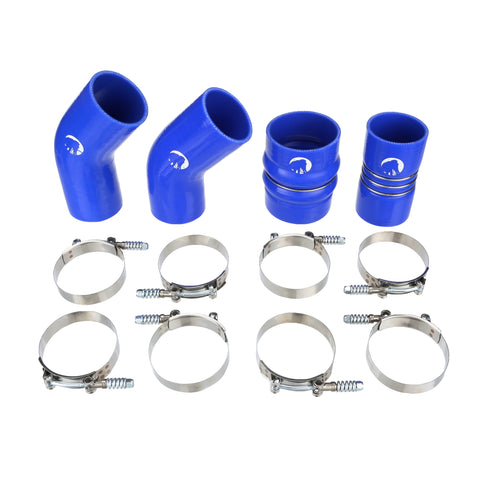
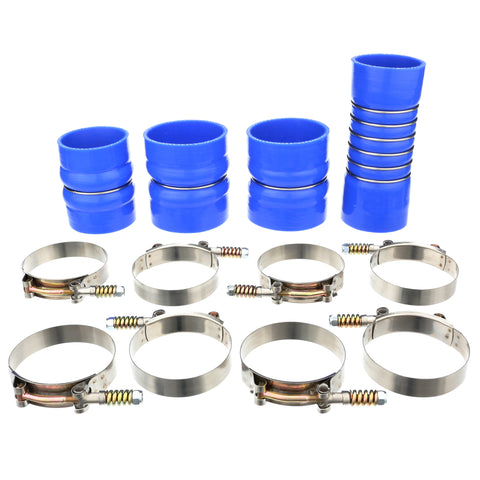
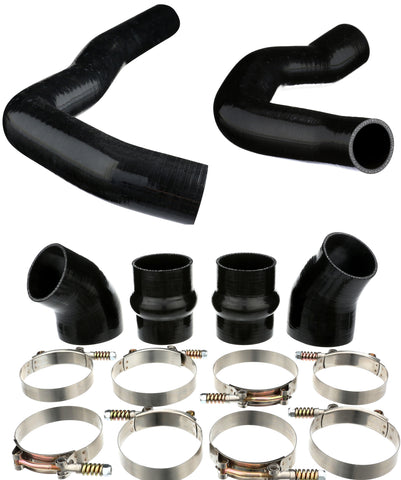
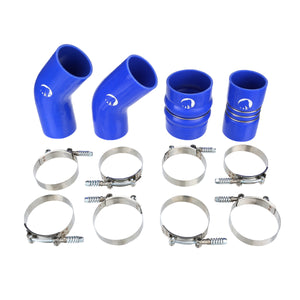
If you need replacement charge-air parts, Mammoth's 6.7 Powerstroke pipe-and-boot kit guide covers the 2011–2016 application. It is not a fitment claim for 2017 and newer trucks.
Six checks before you buy any used Powerstroke
- Verify the truck. Confirm the VIN, engine, model year, mileage and configuration. Check the rating labels for the towing and payload work you expect it to do.
- Read the records. Look for dated maintenance and repair invoices, not just a list of aftermarket parts. Ask what caused each major repair and whether the underlying problem was corrected.
- Check recalls and repair history. Use the NHTSA recall lookup, then ask a Ford dealer about applicable campaigns. NHTSA's VIN results do not show completed recalls and may omit recalls more than 15 years old.
- See a cold start and a proper test drive. Pay attention to starting, idle, shifting and warning messages. Have persistent smoke, leaks or poor performance explained before buying.
- Pay for an independent diesel inspection. Ask for a scan and checks appropriate to that engine, including cooling-system and charge-air testing where indicated. A missing warning light is not a clean bill of health.
- Price the whole job. Include needed repairs, tires, brakes and overdue maintenance. Leave room for findings the inspection cannot fully resolve.
If the truck is low on boost, diagnose the leak or fault before ordering parts. Our boost-leak guide explains where boots, pipes and connections fit into that process.
Match replacement parts to your truck
A truck's model year is only the first fitment check. Build date, hose routing and chassis configuration can matter too.
For example, Mammoth's 2001–2003 7.3 coolant hose kit is listed for production after April 26, 2001. Trucks with a curved lower water-pump connection require Ford part 1C3Z-8592-AA. The 2005–2007 6.0 coolant hose kit is limited to the mono-beam 4WD application. Read the complete product notes before ordering.
Start with our Powerstroke coolant hose guide by year or Powerstroke intercooler boot collection. If the listing does not clearly match your truck, contact Mammoth with the year, engine, build date and photos of the existing parts.
Quick answers
Which Powerstroke years should I avoid?
Be cautious with a 2003–2007 6.0 or 2008–2010 6.4 that has unresolved coolant problems or missing repair records. For every generation, walk away from serious unexplained faults or a seller who will not allow an independent inspection. A model year alone cannot tell you whether a particular truck is sound.
What is the best year of Powerstroke to buy used?
There is no single best year for every budget and job. Compare condition, service history, configuration, repair needs and towing requirements. This guide's service bulletins and recalls identify specific concerns, not overall reliability rankings.
Does “bulletproofed” mean a 6.0 is safe to buy?
Ask for the invoices and inspection results. The term does not explain which repairs were made, their quality or the current condition of the rest of the truck.
Will new intercooler boots or coolant hoses fix the engine's known problems?
They can replace leaking or damaged boots and hoses when correctly fitted. They will not fix a failed head gasket, restricted oil cooler, faulty turbocharger or fuel-system problem. Diagnose the cause first.
Featured products






Diesel engines have long been the default option for light-duty/heavy-duty truck buyers. However, like gasoline-powered engines, they can also break...

The best diesel pickup engine is the one that suits your work, budget and the condition of the truck you’re buying. An engine’s reputation is...

The 7.3 Powerstroke, a legendary diesel engine, stands tall as a prime upgrade candidate for several compelling reasons.