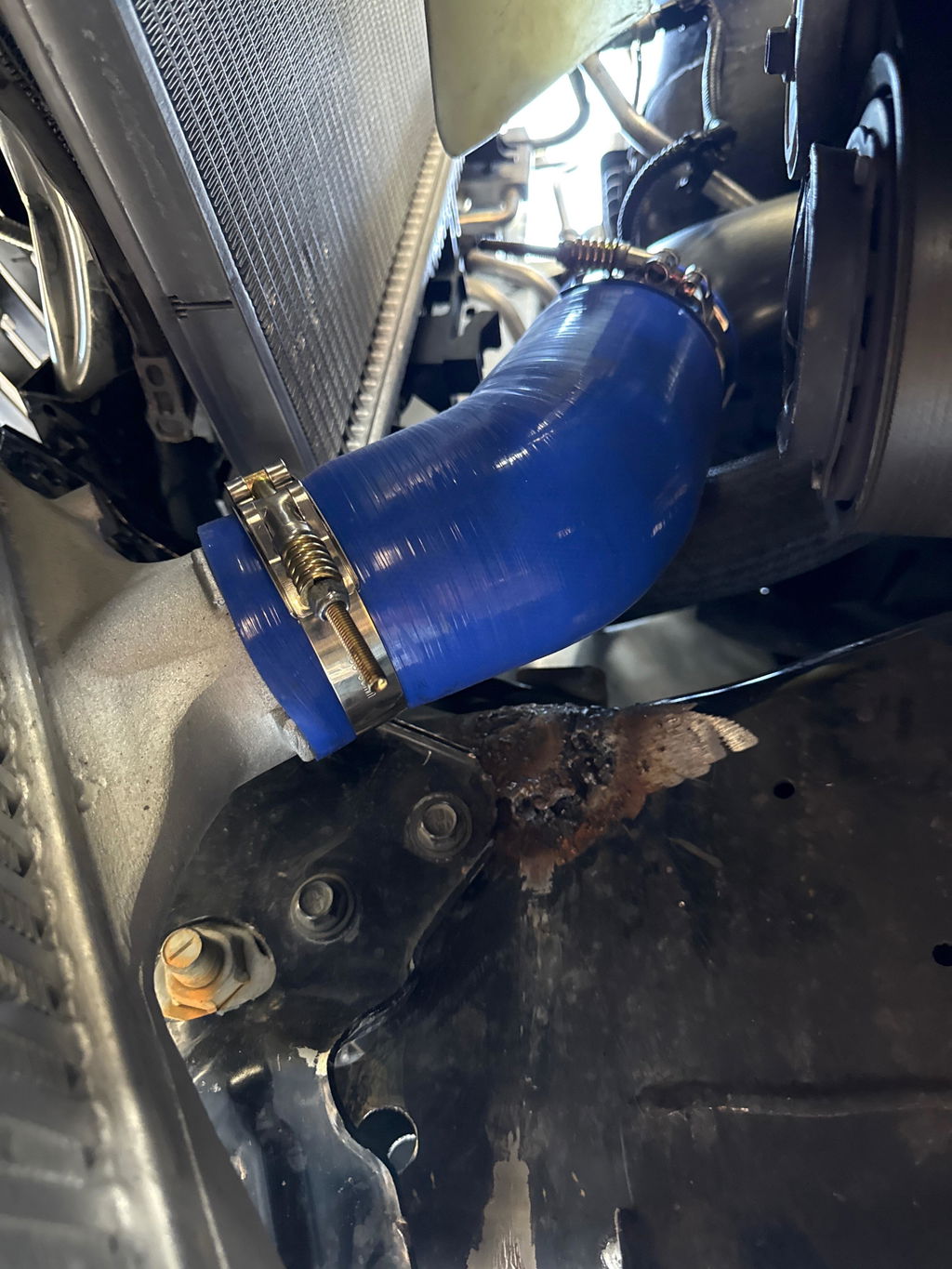
5.9 Cummins Losing Coolant? What to Check First
 .
Table Of Contents
If your 5.9 Cummins keeps needing coolant, find the leak before buying parts. Start with a visual inspection of the hoses, connections and coolant recovery bottle. A pressure test is the next step when coolant keeps disappearing without an obvious source.
This guide is for 1994–2007 Dodge Ram 2500/3500 pickups equipped with the 5.9L Cummins. The factory maintenance references below apply specifically to the 2006 and 2007 manuals. For other years, use your truck's own manual for fluid specifications and service procedures.
Start safely
Let the engine cool completely before touching hoses or opening the cooling system. Never remove a pressure cap while the system is hot or pressurized. Hot coolant can cause severe burns. 2007 Ram diesel owner's manual, p. 448
If the truck is overheating, losing coolant rapidly or producing unexplained steam, stop safely and shut the engine off. Arrange service rather than continuing to drive and top it off.
1. Track the level without overfilling
Use the recovery bottle markings and your model-year manual's specified checking conditions. Do not assume one cold or hot fill line applies to every truck. Dodge's 2006 manual describes a warm, idling check; it also warns against overfilling. 2006 Ram diesel owner's manual, pp. 398–399
For tracking a change, photograph the bottle under the same conditions each time. A warm reading and a cold reading are not directly comparable. Record how much coolant you add and how often, so a shop has more to work with than “it seems low.”
2. Inspect the hoses and connections
With the engine off and cool, check the radiator hoses, heater hoses and their connections. Look for cracks, rubbing, swelling, unusually hard or soft areas, wetness and dried coolant residue. Check routing near hot or moving parts, too. Dodge calls for replacing worn or damaged components and checking connections for leaks. 2006 Ram diesel owner's manual, pp. 402–403
Check the small recovery-bottle tube and both connections, not just the large radiator hoses. Dodge includes this tube in its cooling-system inspection. 2006 Ram diesel owner's manual, p. 397
3. Check the cap and recovery path
The 2007 manual calls for a correctly specified, fully tightened pressure cap with clean sealing surfaces. It also says the radiator and recovery-bottle overflow hoses must not be kinked or obstructed. 2007 Ram diesel owner's manual, pp. 447–449
Include these checks when no obvious hose leak is visible. Do not replace the cap with a higher-pressure version to try to stop coolant loss.
4. Get a pressure test if coolant keeps disappearing
Dodge's 2007 manual recommends pressure testing when frequent additions are needed or the recovery-bottle level does not drop as the engine cools. 2007 Ram diesel owner's manual, p. 449
Ask a qualified shop to locate the cause before replacing hoses, the radiator or engine parts. No puddle does not establish that the system is leak-free, and coolant loss alone does not diagnose a head-gasket failure. If an initial test is inconclusive, further diagnosis is needed.
Use the specified coolant
Dodge specifies HOAT coolant and high-purity water when mixing concentrate for the 2006 truck. Follow your model-year specification and the container instructions for premixed coolant. 2006 Ram diesel owner's manual, pp. 399–400
If a radiator hose needs replacement, match the kit to the truck
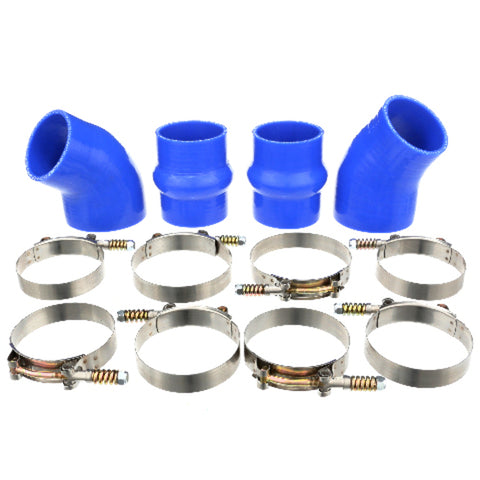
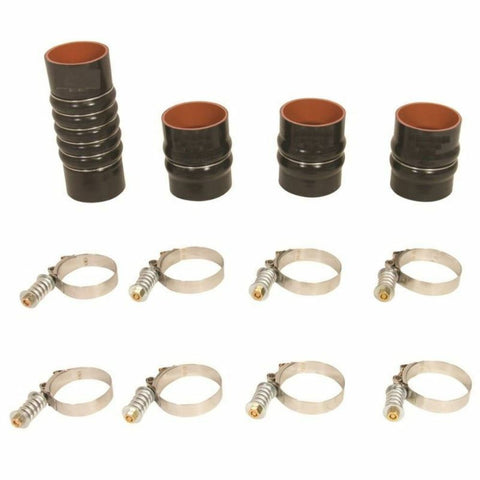
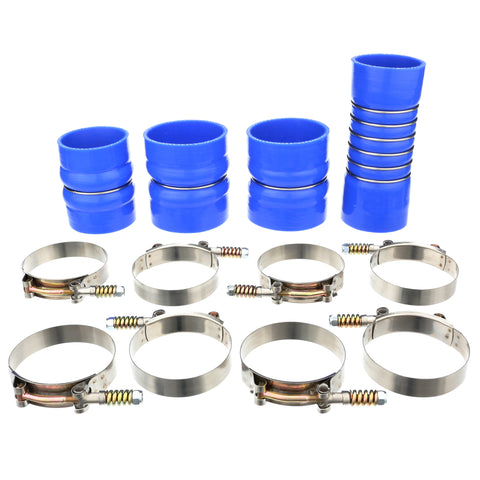
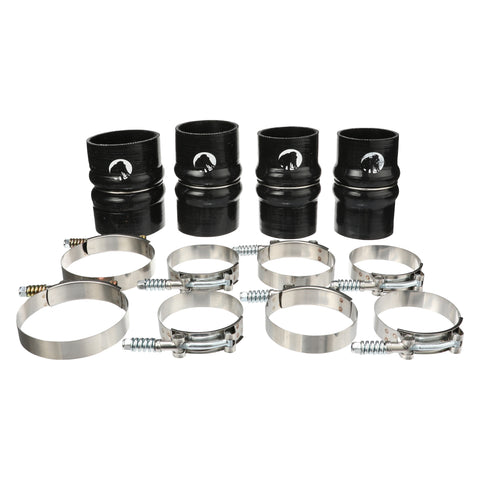
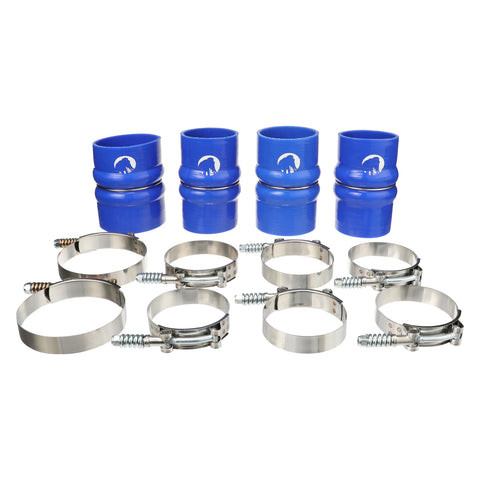
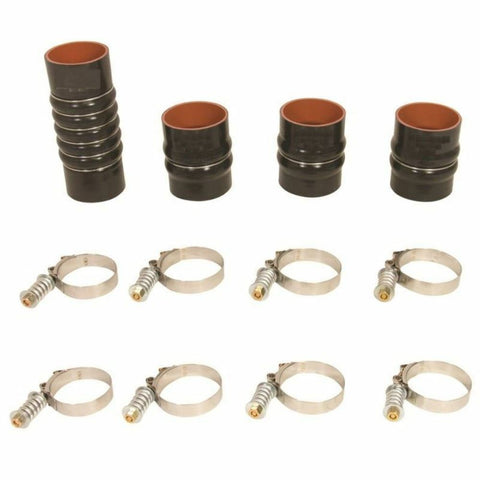
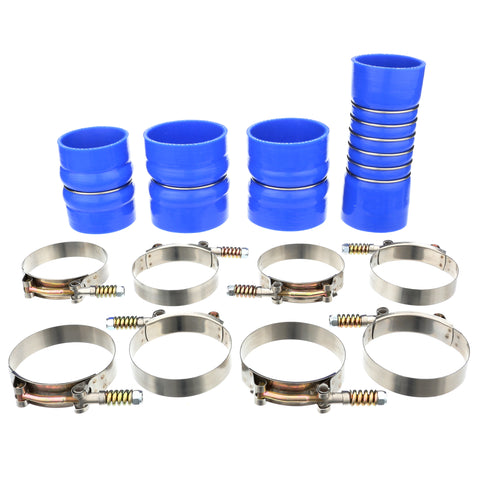
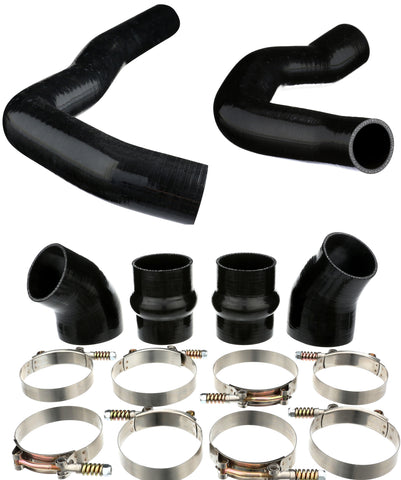
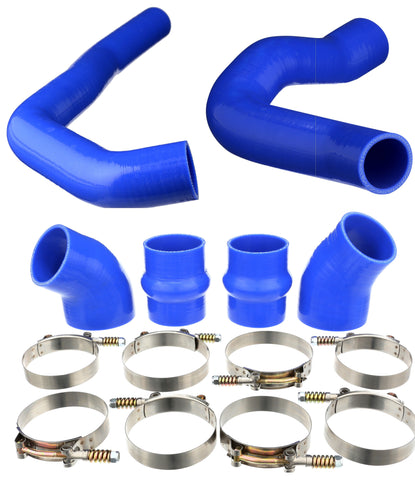
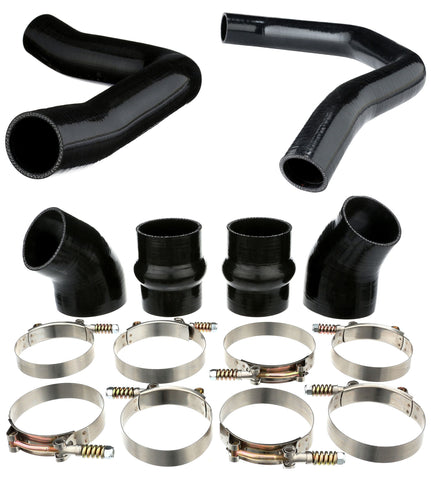
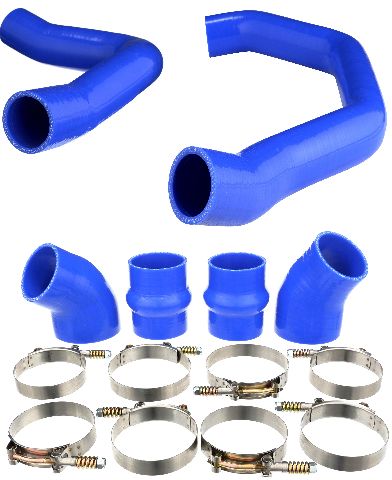
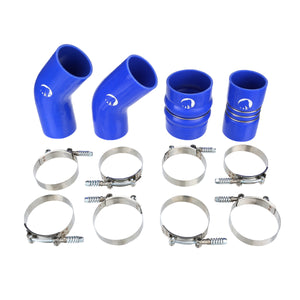
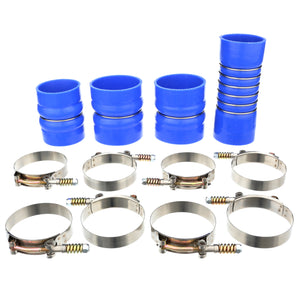
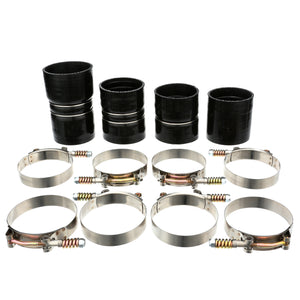
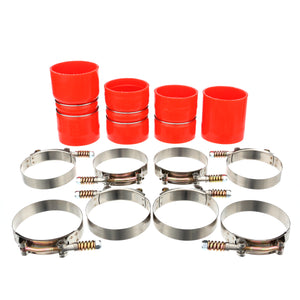
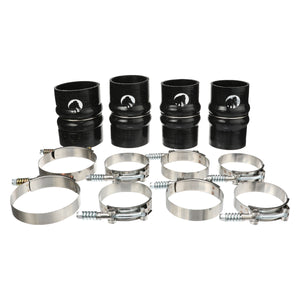
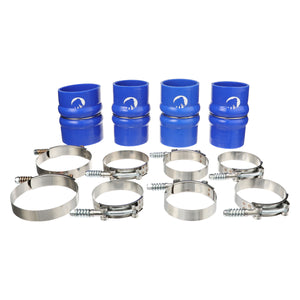
Mammoth offers these upper-and-lower silicone radiator hose kits:
| 5.9L Cummins pickup application | Kit |
|---|---|
| 1994–1997 Ram 2500/3500 | 1994–1997 radiator hose kit |
| 1998.5–2002 Ram 2500/3500, 24-valve only | 1998.5–2002 radiator hose kit |
| 2003–2007 Ram 2500/3500 with the 5.9L | 2003–2007 5.9L application of the 2003–2010 kit |
Have a 1998 12-valve? Contact us before ordering. The 24-valve kit does not fit, and we are not extending the 1994–1997 listing to an unconfirmed application.
The third kit's broader product title includes some 6.7L applications; it does not mean the 5.9L pickup continued through 2010. For a 2007 truck, confirm the engine before choosing a kit. Chassis-cab trucks and modified cooling systems need separate fitment confirmation.
Our recommendation: when replacing one aging coolant hose, replace all similarly aged coolant hoses together rather than waiting for the next one to fail. These kits contain the radiator hoses, not every coolant hose on the truck. Follow the applicable installation, clamp and refill instructions rather than using a generic torque or recheck interval.
Compare applications in our Cummins radiator hose kit guide, or contact Mammoth with your truck and engine details.
Common questions
Will silicone hoses fix my coolant loss?
Only if the problem is in the hoses being replaced or their connections. New hoses will not repair a leak elsewhere. Diagnose first, then replace the failed parts.
Are Mammoth hoses covered by a lifetime warranty?
Yes. Mammoth offers a lifetime limited warranty, subject to its terms and exclusions. Keep your purchase receipt.
What if my truck has the 6.7L Cummins?
Use our 6.7 Cummins coolant-loss guide instead. Confirm the engine, not just the model year.
Featured products






Diesel engines have long been the default option for light-duty/heavy-duty truck buyers. However, like gasoline-powered engines, they can also break...

The best diesel pickup engine is the one that suits your work, budget and the condition of the truck you’re buying. An engine’s reputation is...

The 7.3 Powerstroke, a legendary diesel engine, stands tall as a prime upgrade candidate for several compelling reasons.