6.7 Cummins Losing Coolant? What to Check Before Replacing Parts
 .
Table Of Contents
A falling coolant level does not automatically mean your 6.7 Cummins needs an EGR cooler. Start with a cold-engine inspection, then have the leak confirmed before buying parts. A wet hose connection is a clue, not a complete diagnosis, and no puddle does not prove the leak is internal.
Start with a cold-engine inspection
Never remove the pressure cap while the cooling system is hot. If steam is coming from under the hood, let the truck cool before opening it. Ram’s diesel supplement calls for checking hoses and their connections and inspecting the cooling system for leaks. [1]
- Check the coolant level under the cold-check conditions specified in your truck’s manual. Note when it drops and how often you need to add coolant.
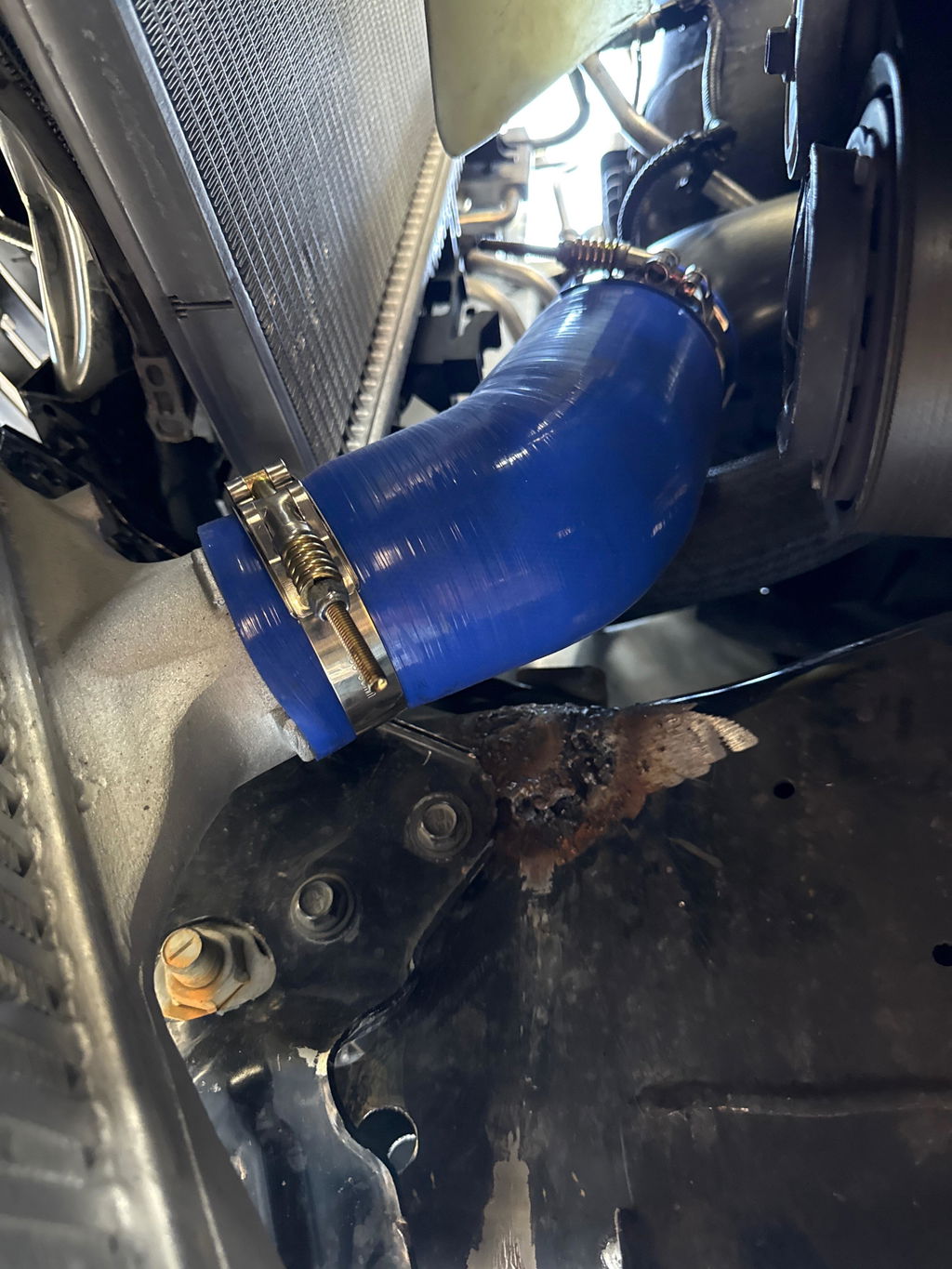
- Look for wet areas or dried residue around radiator hoses, connections, the radiator and reservoir. Inspect visible hoses for cracks, cuts or deterioration.
- Note where drips appear, but trace the source before replacing anything. Coolant can collect away from the point where it escapes.
- If the level keeps falling, arrange a cooling-system pressure test. A visual check alone is not enough.
Do not assume a wet hose end means the hose itself has failed. The connection and adjoining fitting also need inspection. Avoid tightening clamps at random: the correct repair depends on the parts involved.
More hose warning signs: radiator hose symptoms guide
Check the reservoir before blaming it
A June 2025 Stellantis newsletter, covering model years 2022–2025 across its models, described returned coolant reservoirs with no leak or damage. It advised technicians to clean away spilled coolant, avoid overfilling and use a pressure leak-down test to confirm a fault. [2]
That is a reason to test, not a reason to dismiss continuing coolant loss. Follow your truck’s specified fill level and temperature conditions. If coolant returns around the bottle after cleanup, have the bottle, cap and system checked.
Check water-pump recall status on 2013–2017 trucks
Safety recall T51 / NHTSA 17V-562 covers certain 2013–2017 Ram trucks with the 6.7L Cummins, including 2500 and 3500 pickups. The campaign concerns a water-pump failure that could cause an engine-compartment fire. Its repair instructions call for inspecting the pump and replacing it when required. [3]
Recall eligibility and completion are VIN-specific. This recall does not prove that the water pump is causing your coolant loss. Check your VIN and ask a Ram dealer about any open campaign before buying a pump.
Check your VIN for open recalls
Use the right coolant, not just the right color
Chrysler introduced OAT coolant for the applicable 2013 Ram models. Its November 3, 2012 bulletin warns that mixing OAT, HOAT and IAT technologies can cause corrosion and other cooling-system problems, including overheating or leaks. It calls for flushing a system when incompatible coolants have been mixed. [4]
Use the specification in the manual for your exact truck. If the coolant history is unknown or incompatible products were added, tell the shop before diagnosis. Do not choose a replacement coolant by color alone.
Confirm an EGR cooler leak before replacing it
In December 2022, Stellantis STAR case S2207000003 reported that most returned EGR coolers replaced for suspected internal cracking showed no trouble when analyzed. It directed technicians who suspected an EGR cooler leak to perform the specified EGR cooler pressure test before replacing parts. [5]
This is not a failure rate for all Cummins engines, and it does not rule out a bad cooler on your truck. It supports one practical question: “What test confirmed the leak?” The shop should use the service procedure applicable to your vehicle, rather than a generic test pressure.
If the source remains unclear, keep diagnosing. Hoses, a reservoir, an EGR cooler and other cooling-system components are not interchangeable answers to the same symptom.
If the hose is faulty, match the replacement to the truck
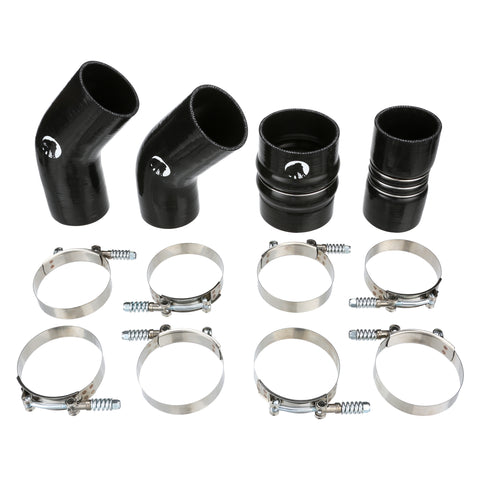
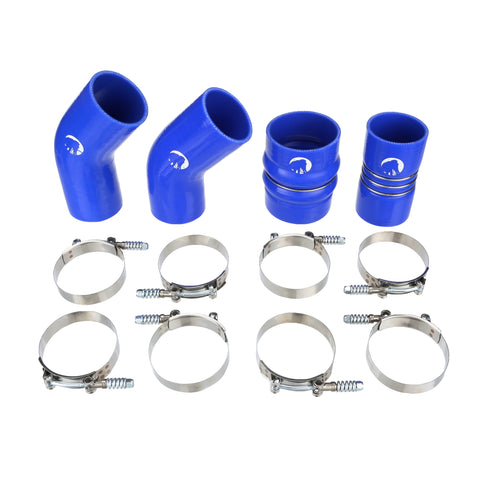
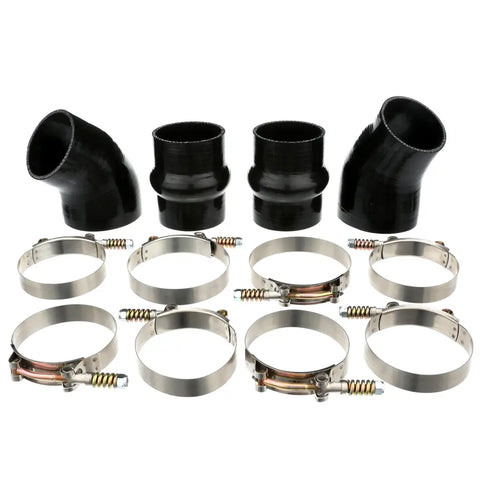
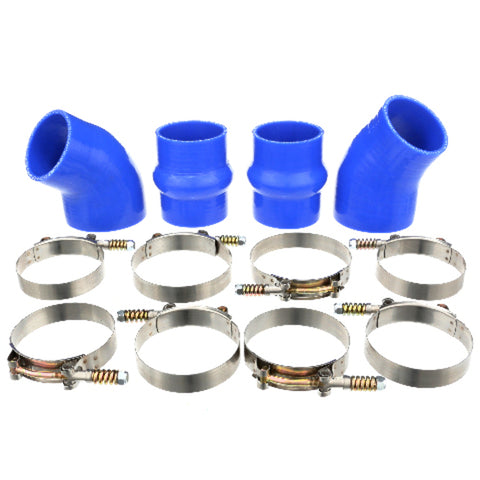
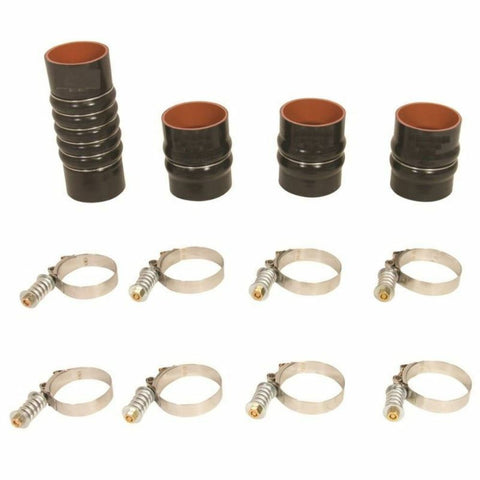
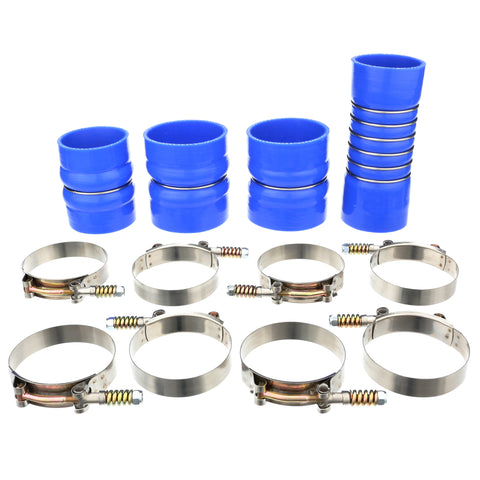
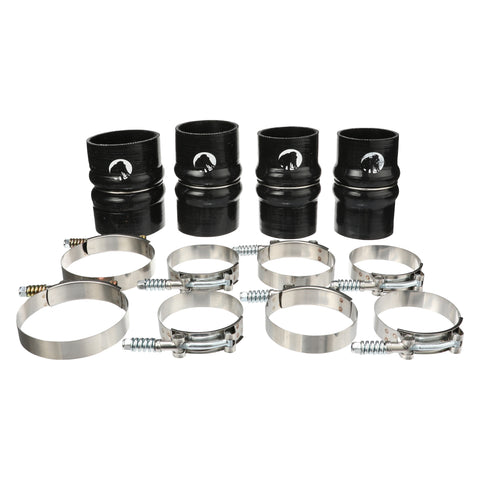
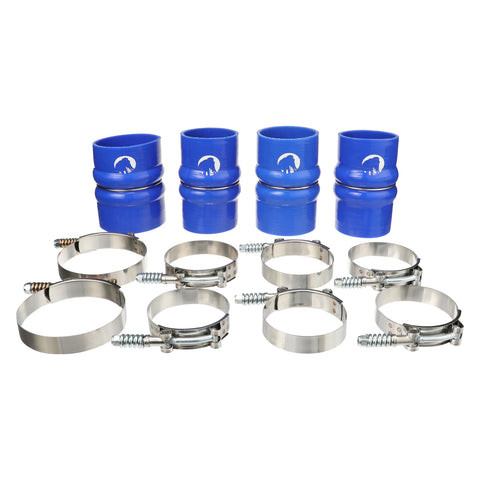
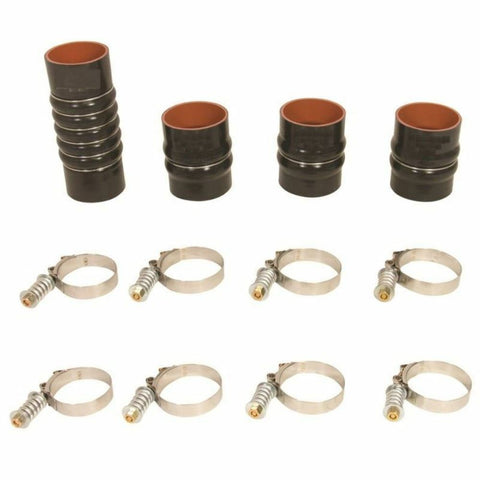
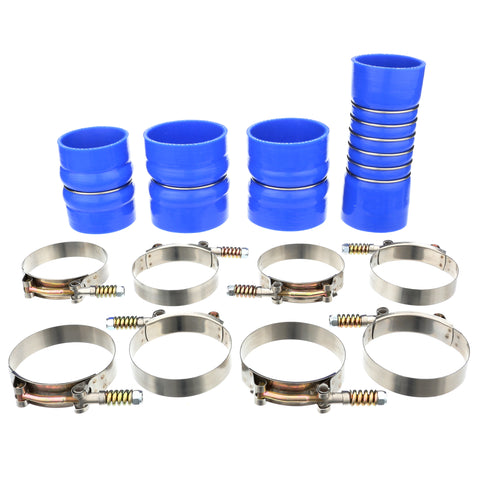
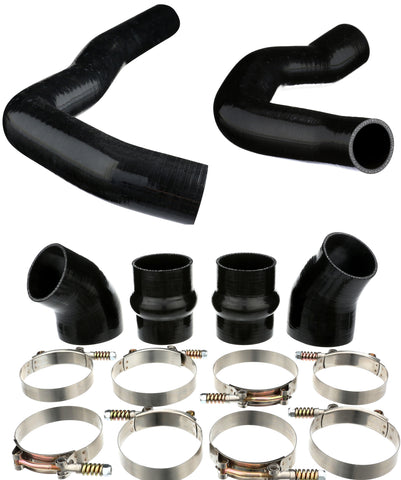
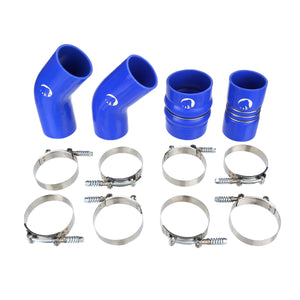
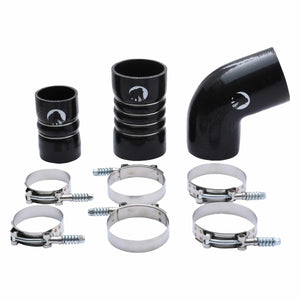
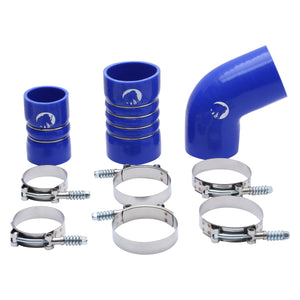
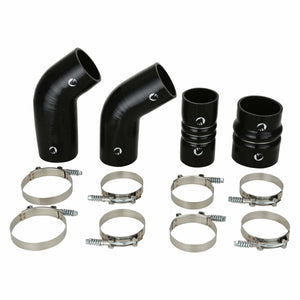
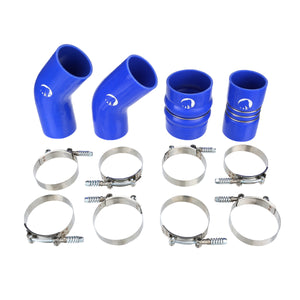
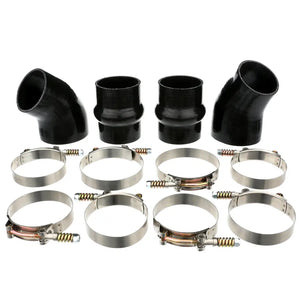
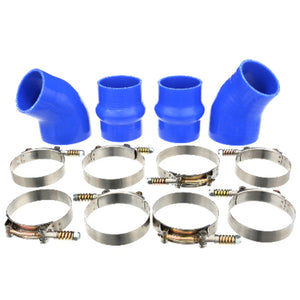
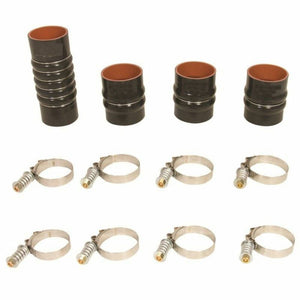
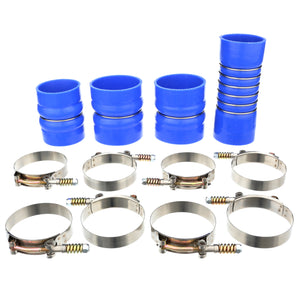
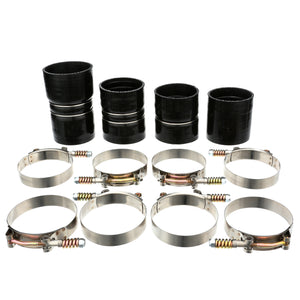
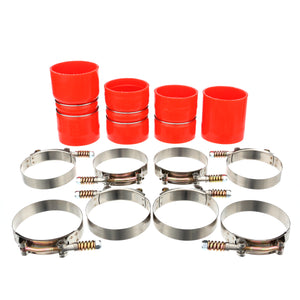
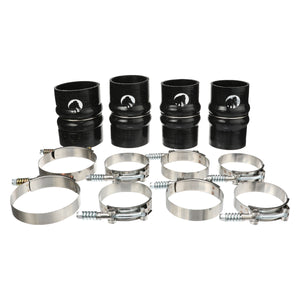
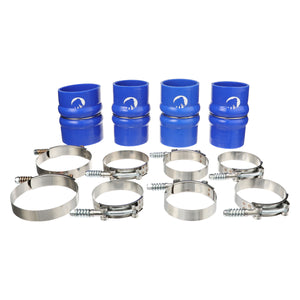
Mammoth lists the following radiator hose kits for Ram Cummins applications. These are product year ranges, not a promise that one kit replaces every coolant hose on every configuration.
2003–2010 5.9L/6.7L radiator hose kit: check the special 2010 fitment note
2010–2012 Ram 2500/3500 6.7L coolant hose kit
2013–2014 Ram 2500/3500 6.7L coolant hose kit
2015–2018 Ram 2500/3500 6.7L coolant hose kit
2019–2026 Ram 2500/3500 6.7L coolant hose kit
For a 2010 truck, confirm the radiator and body configuration before ordering: the 2003–2010 listing has a specific older-body restriction, and there is a separate 2010–2012 kit. Do not assume pickup fitment also covers a chassis cab. Send Mammoth your VIN and photos of the existing hoses if the application is unclear.
Compare kits in the Cummins radiator hose guide
Contact Mammoth for fitment help
After a hose repair
Use the truck’s service procedure and the hose and clamp manufacturer’s instructions for installation, tightening, coolant selection and refill. The refill and air-removal procedure matters; do not substitute a generic “fill it and drive” routine. Have the repair checked for leaks and verify the cold coolant level afterward.
A radiator hose kit repairs a hose problem. It will not correct an internal leak, a faulty pump or another unrelated cooling-system fault.
Quick answers
Can I keep driving if it is only losing a little coolant?
Repeated topping-off is not a repair. Get the loss diagnosed promptly rather than assuming a normal gauge makes continued driving safe. If the truck overheats, releases steam or rapidly loses coolant, stop safely and arrange assistance. Never open the hot cooling system.
Does white exhaust smoke mean the EGR cooler is bad?
Not by itself. Tell the technician about the smoke and coolant loss, and ask what testing confirms the source. The STAR case specifically cautions against replacing a suspected cooler without testing. [5]
Should I replace both radiator hoses?
Inspect both. Replace the faulty hose and any others found damaged or unsuitable for continued service. A matched set may be convenient, but one failed hose does not prove every hose has failed.
Does the thermostat have to match the year?
Yes. FCA’s 2014 GPOP tip 9001762 identifies different thermostat applications for 2010–2012 trucks versus 2009 and 2013–2014 trucks and says those thermostats are not interchangeable. Verify the current replacement by VIN rather than choosing one solely by temperature rating. [6]
The bottom line: inspect what you can safely see, confirm the leak with the right test, and replace the part that actually failed.
Manufacturer sources
1. Ram 2013 Diesel Supplement, Cooling System section
2. Stellantis Warranty Operations Newsletter, June 11, 2025, reservoir analysis
3. FCA Safety Recall T51 / NHTSA 17V-562, February 2018 instructions
4. Chrysler 07-004-12 Rev. A, November 3, 2012
Featured products






Diesel engines have long been the default option for light-duty/heavy-duty truck buyers. However, like gasoline-powered engines, they can also break...

The best diesel pickup engine is the one that suits your work, budget and the condition of the truck you’re buying. An engine’s reputation is...

The 7.3 Powerstroke, a legendary diesel engine, stands tall as a prime upgrade candidate for several compelling reasons.