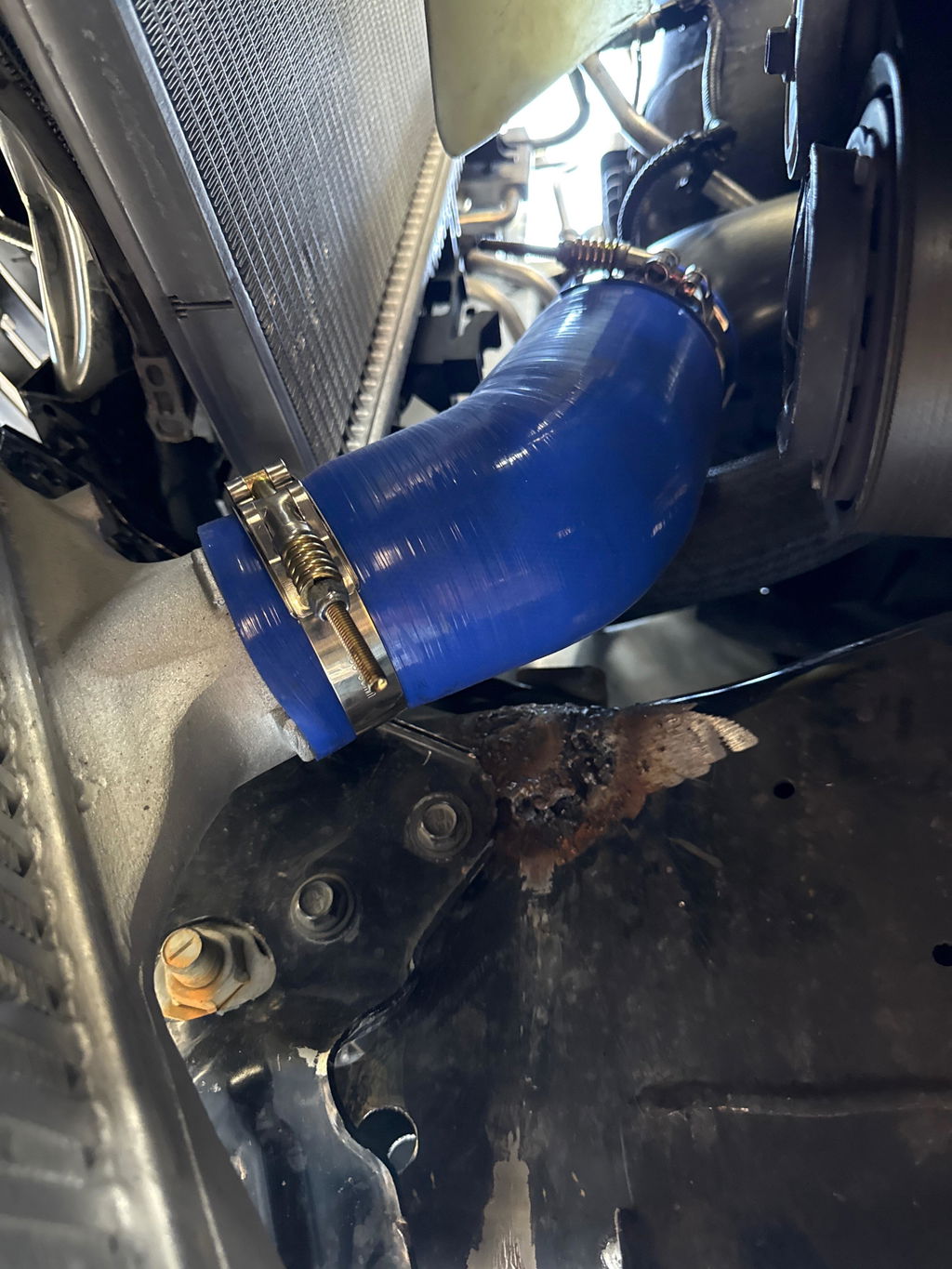
Powerstroke Losing Coolant? Check the Hoses and Degas Bottle First
 .
Table Of Contents
If your Powerstroke keeps needing coolant, find out where it is going before buying parts. A wet hose connection is worth checking, but replacing hoses will not fix every cooling-system problem.
Start with a cold-engine inspection. Look at the radiator hoses, smaller coolant hoses, connections, radiator and coolant reservoir, often called the degas bottle. Note where you see fresh coolant or dried residue so a technician can trace the leak.
Never remove the coolant reservoir cap while the engine is running or hot. Hot, pressurized coolant can cause serious burns. Ford includes this warning in its owner guidance.
If the truck is overheating, losing coolant rapidly, steaming or producing heavy white exhaust smoke with coolant loss, pull over safely, shut it off and arrange professional help. Do not assume topping it off makes another trip safe.
6.0 Powerstroke: test before blaming the head gaskets
For 2003–2007 6.0L F-Super Duty trucks, Ford's diagnostic bulletin starts with a cold coolant-level check, external leaks, and testing the degas bottle and cap before moving into internal-leak diagnosis.
The bulletin specifies the MIN line when cold for the vehicles it covers. Overfilling can make coolant vent through the cap. That instruction should not be applied to every Powerstroke: use the correct guidance for your truck.
A leaking EGR cooler can also cause coolant loss, white smoke and cooling-system pressure that resembles a head-gasket problem. Ford's procedure includes EGR cooler testing, an oil-cooler restriction check and further head-gasket diagnosis where indicated. Coolant entering a cylinder can cause hydrolock and serious damage.
Have a diesel shop follow the diagnostic procedure rather than replacing parts based on cap venting alone. These are historical service instructions, so the shop should check current Ford information for your vehicle. Ford TSB 09-8-3
6.4 Powerstroke: take slow leaks seriously
For 2008–2010 6.4L F-Super Duty trucks, Ford links slow hose and connection leaks to low coolant levels. Repeated thermal cycling with low coolant can stress and crack radiator tubes.
The bulletin calls for checking the venturi tee, degas bottle and hose connections. It also distinguishes the older dual-port bottle from the single-port design. Those details are a reason to have the cooling system assessed as a whole.
Ford advises inspecting radiator hose connections externally without disconnecting them just to look for a leak. Assembly grease can be mistaken for coolant residue.
Ford's repair guidance is to replace a leaking hose, not automatically replace both radiator hoses unless both leak. That is Ford's repair position, separate from Mammoth's preventive-maintenance recommendation below. Ford TSB 11-12-4
7.3 Powerstroke: inspect the full hose system
On an older 7.3, do not stop at the most visible radiator hose. Include heater hoses, smaller coolant lines and their connections in the inspection. Look for cracks, swelling, rubbing damage and wet connections. Have a shop confirm the leak if its source is unclear.
Repeated heater-core leaks deserve more than another replacement core. Ford's heater-core bulletin, which includes 1997–2007 F-Super Duty and 2000–2005 Excursion, discusses coolant quality, flow and electrolysis checks. Ask the shop to investigate why the failure is recurring. Ford TSB 06-21-19
Mammoth's recommendation: replace the hoses together
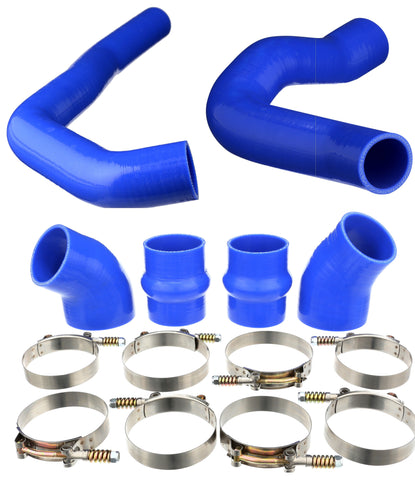
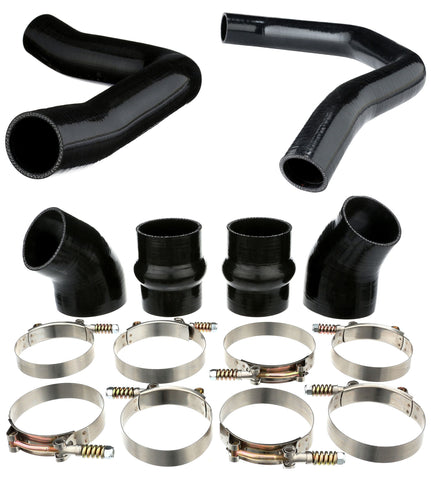
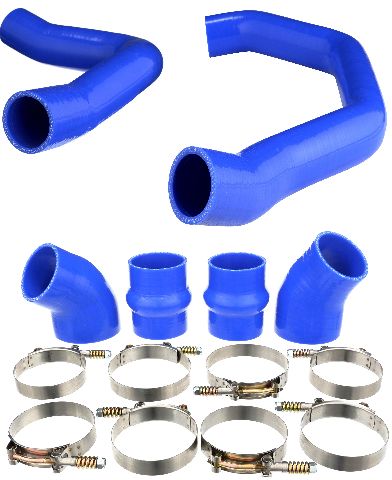
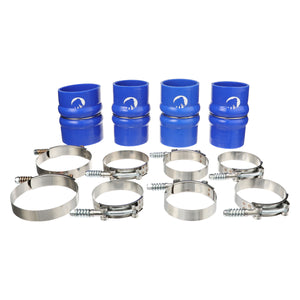
If you are replacing one radiator hose, Mammoth recommends replacing all the coolant hoses at once while the system is drained, rather than leaving the rest of an aging set in place.
This is our preventive-maintenance recommendation, not a claim that Ford requires every hose to be replaced. Diagnose the original leak first and address any radiator, bottle, cap or internal-engine problem separately.
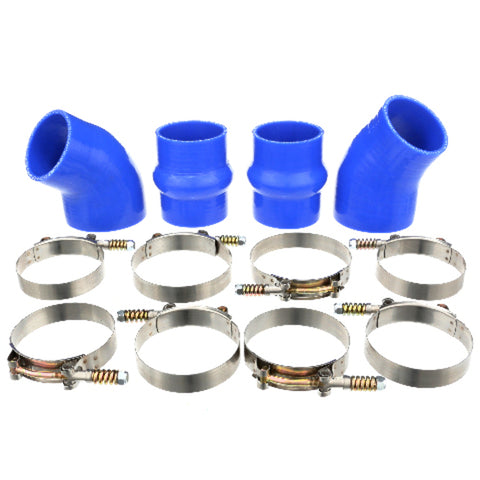
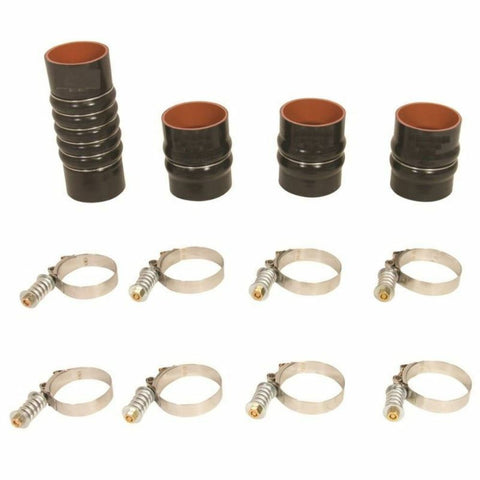
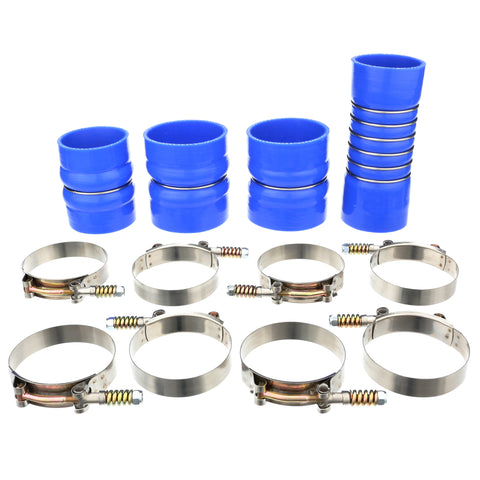
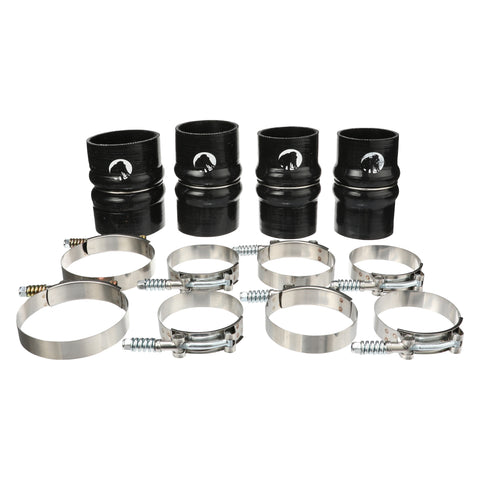
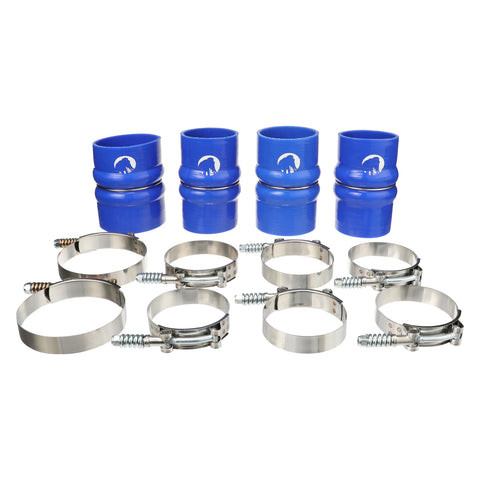
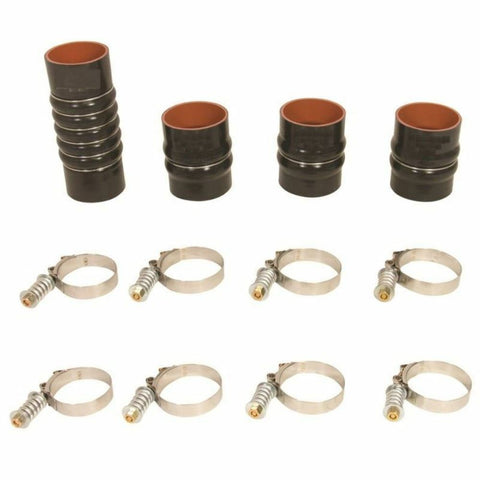
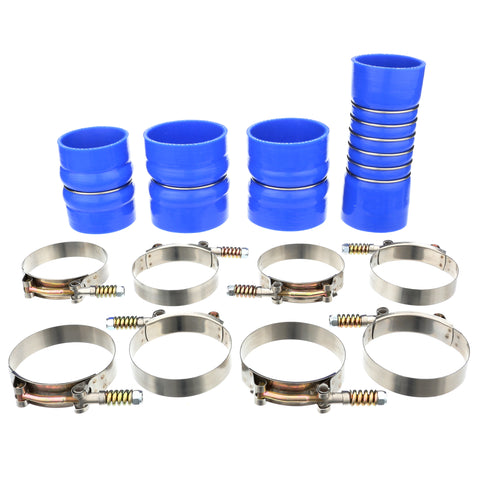
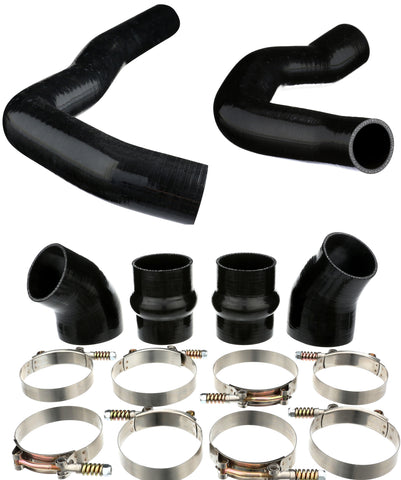
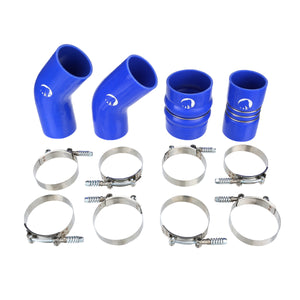
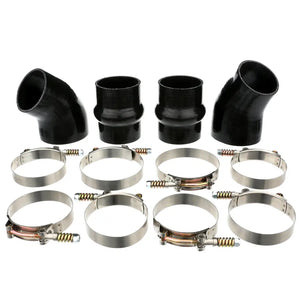
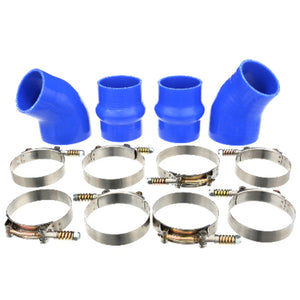
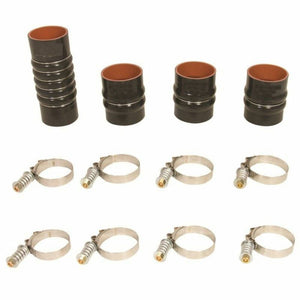
Also check what each kit includes. A radiator hose kit is not necessarily a complete set of every coolant hose on the truck. Smaller reservoir and heater hoses may need to be sourced separately.
Choose by fitment, not engine size alone
Before ordering, confirm the model, engine, build date, drivetrain and hose connections. Check for previous cooling-system changes, too.
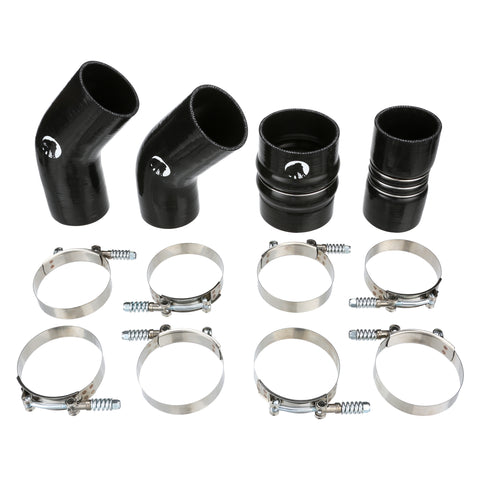
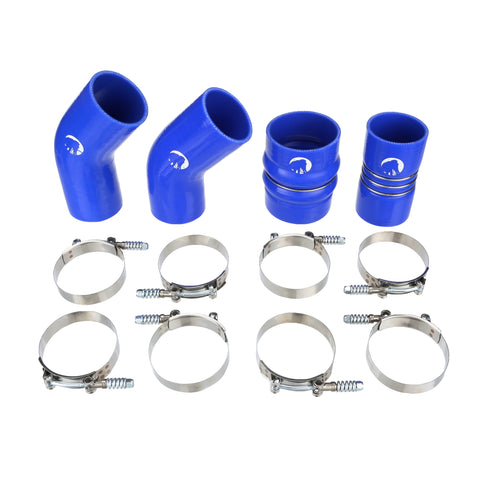
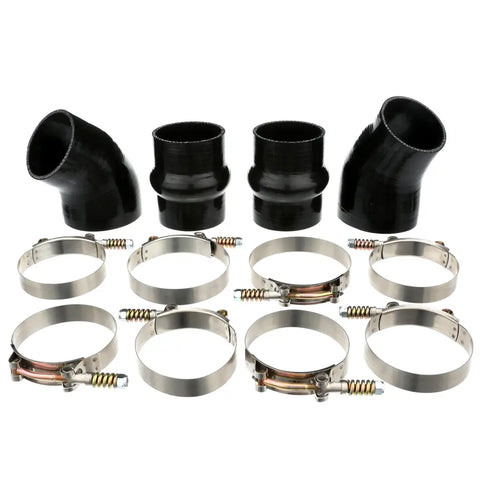
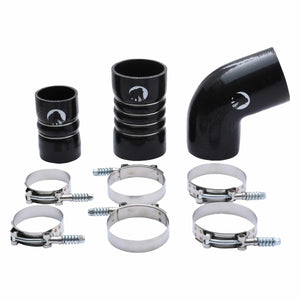
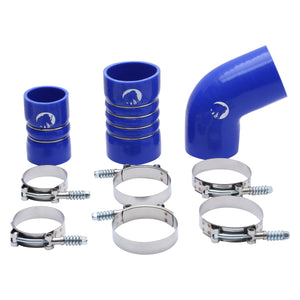
- 7.3L: Build date and the lower water-pump connection matter. The 2001–2003 kit listing specifies production after April 26, 2001 and notes an additional Ford connection part for trucks with the curved lower water-pump connection. Do not assume all 2001 trucks use the same kit.
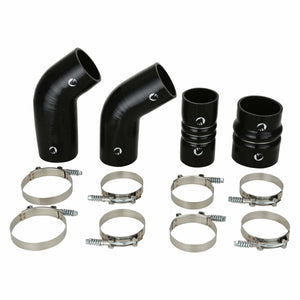
- 6.0L: The 2005–2007 kit listing specifies a 4WD mono-beam chassis, and it doesn’t fit 2004.5 trucks, which take the 2003–2004 kit. Do not extend that listing to 2WD or other model years without confirming fit.
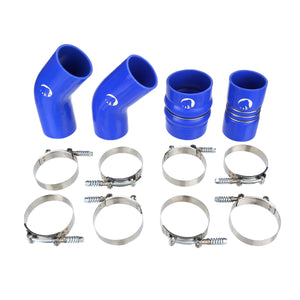
- 6.4L: See the 2008–2010 F-250/F-350 radiator hose kit. Check its contents and connection details against your truck before ordering.
For other applications, browse the Powerstroke coolant hose collection or contact Mammoth for help choosing the right parts.
Finish the repair correctly
Use coolant that meets Ford's specification for your particular truck and follow its service procedure for draining, filling and removing trapped air. Follow the hose and clamp manufacturers' installation instructions rather than using a universal clamp-tightening rule.
After the repair, have the system checked for leaks. Monitor the coolant level only when cold, using your vehicle's specified fill marks. Continued loss needs further diagnosis.
Are Mammoth hoses covered by a lifetime warranty?
Mammoth products carry a lifetime limited warranty, subject to the warranty policy. It applies to the original purchaser buying directly from Mammoth or an authorized dealer, and requires proof of purchase. Installation-related exclusions and other conditions apply; labor is not covered.
Choose the correct hoses, install them properly and fix the cause of the coolant loss. New hoses should be part of the right repair, not a substitute for diagnosis.
Featured products






Diesel engines have long been the default option for light-duty/heavy-duty truck buyers. However, like gasoline-powered engines, they can also break...

The best diesel pickup engine is the one that suits your work, budget and the condition of the truck you’re buying. An engine’s reputation is...

The 7.3 Powerstroke, a legendary diesel engine, stands tall as a prime upgrade candidate for several compelling reasons.